
Built-in banquette seating has become a game changer for maximizing small homes and urban apartments, but there is much more to it than just looks. Today, we explore why this style of seating is surging in popularity, how it can bring ergonomic and sustainable upgrades to your space, and what to expect if you want smart home integration or hidden storage.
Key Takeaways
- Built-in banquette seating addresses space constraints and enhances comfort when designed with ergonomics and sustainability in mind.
- Smart features and hidden storage can make banquettes multifunctional, but practical usability and design pitfalls should not be overlooked.
- Sustainable material choices and careful planning help your banquette bench last and positively impact your lifestyle and the environment.
- Understanding Built-In Banquette Seating
- The Appeal of Custom Banquettes with Storage
- Common Design and Functionality Complaints
- Enhancing User Engagement through Undiscussed Features
- Sustainability in Banquette Design
- Integrating Smart Features into Banquette Seating
- Conclusion
- FAQ
Understanding Built-In Banquette Seating
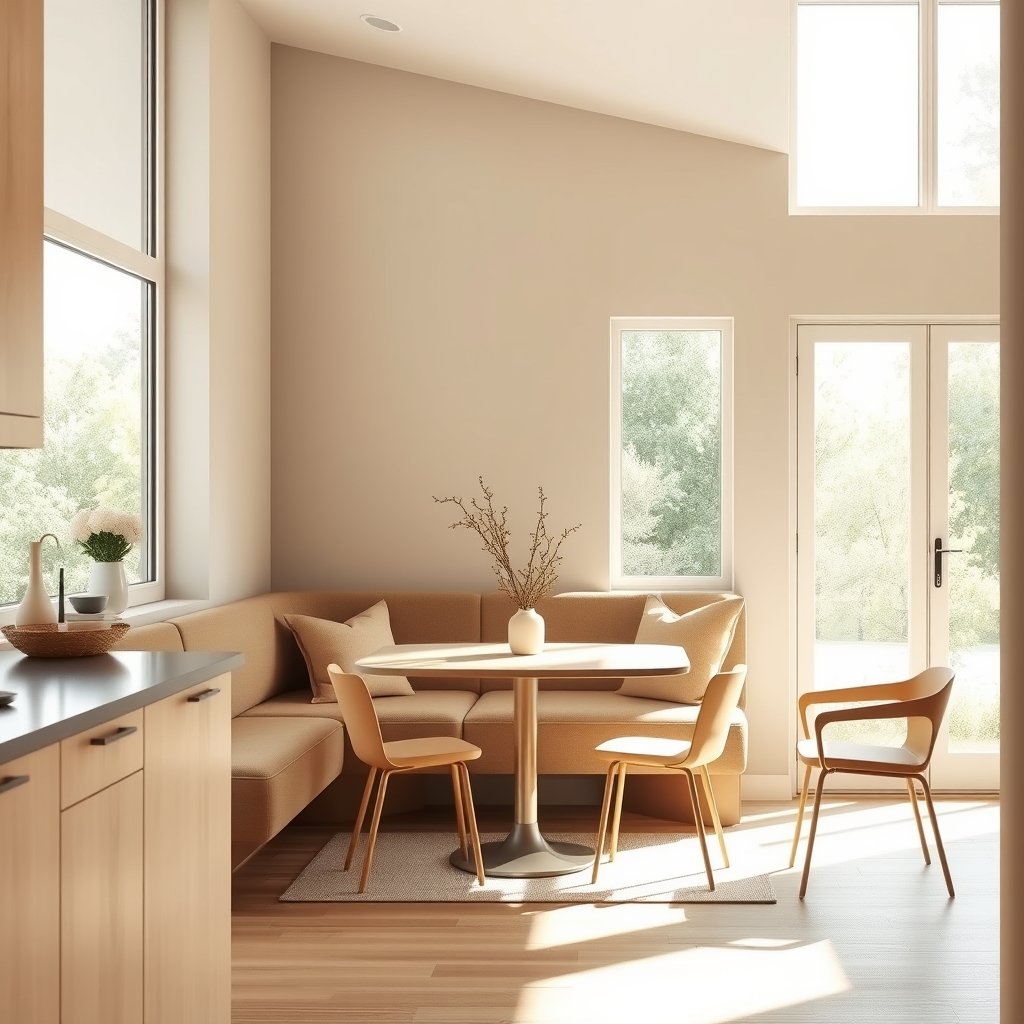
Built-in banquette seating refers to bench-style seats that are built against a wall or into a nook, usually in dining areas or kitchens but increasingly in multipurpose living spaces. Unlike off-the-shelf benches, a built-in banquette is custom-tailored for the room, maximizing every inch. The popularity of this solution is rising fast, with the global bench seat market reaching 1.85 billion USD by 2025 and trending toward multifunctional, space-saving furniture source. Urban homeowners and apartment dwellers especially value how banquette dining nooks can transform awkward corners or tight layouts into welcoming and practical spaces.
The Appeal of Custom Banquettes with Storage
One of the most cited reasons for installing a custom banquette with storage seating is the opportunity to gain hidden compartments beneath the seat. In a time when the North American storage bench market hit 600 million USD in 2024 source, it is obvious that buyers appreciate furniture that does double duty. Whether you need a dining banquette with storage for seasonal tableware or a cozy breakfast nook bench that hides kids odds and ends, these built-ins offer both beauty and organization. Some even consider mixing in open ends, drawers, or attached shelving for everyday access.
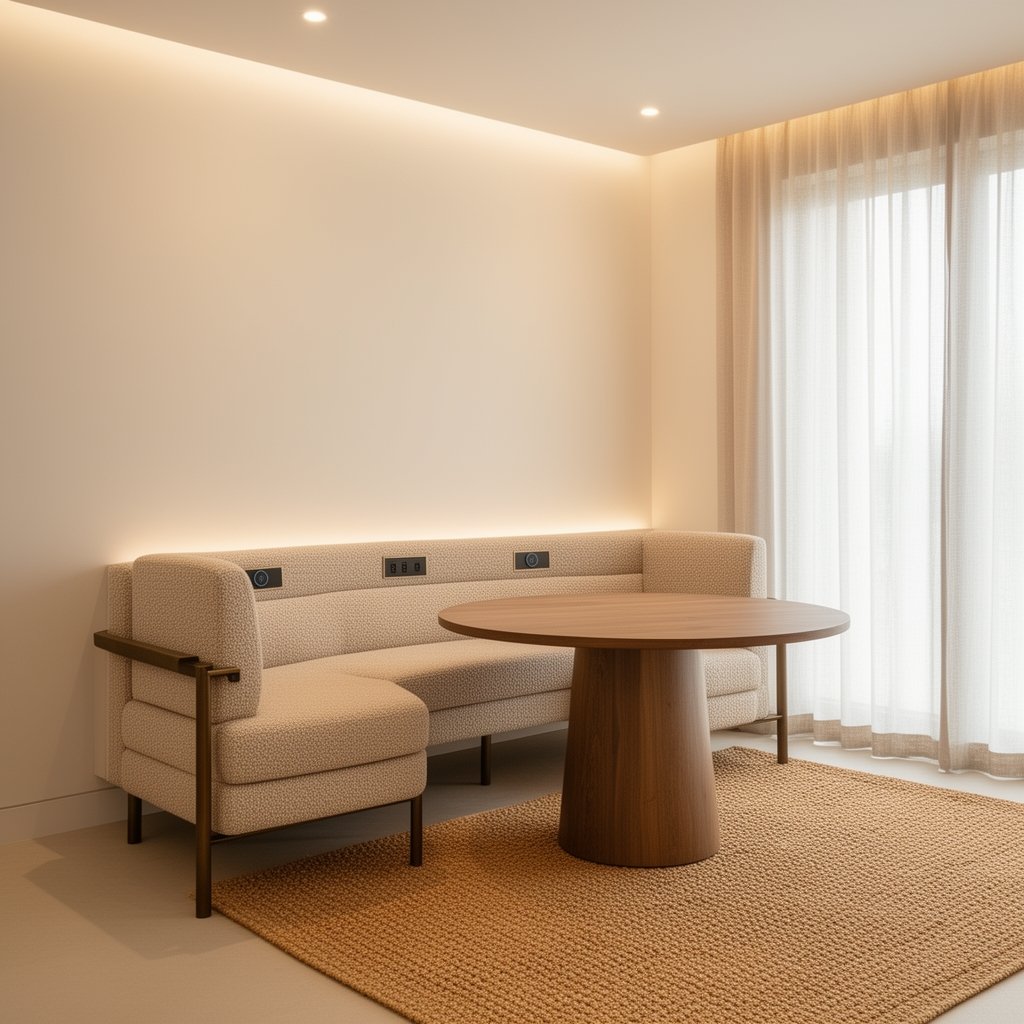
For smaller rooms, doubling up on storage—like including integrated fabric bins or matched nightstands—can further boost both seating and organization. A great pick is the Nightstand with Charging Station, which can transition effortlessly from bedroom to banquette corner and adds tech-friendly storage to your setup.
Common Design and Functionality Complaints
Even with thoughtful planning, not every custom banquette with storage seating is a home run. According to reports and expert designers, a leading critique is awkward compartments that are hard to access or clean source. Flip-up lids, heavy bench seats, or deep cubbies can make it impractical for everyday use, turning supposed storage into a forgotten clutter trap.
| Feature | Pros | Common Cons |
|---|---|---|
| Custom banquette with storage seating | Space-efficient, hidden storage, tailored look | Difficult to reach items, heavy lids, sometimes uncomfortable seat height or depth |
| Built-in bench seating | Permanent & stable, maximizes wall space, integrated with home style | Not easily moveable, may lack flexibility for table placement or future room updates |
Another widespread issue is insufficient legroom: banquettes built too close to walls or tables with fixed legs cause discomfort or limit how many can squeeze in. Ergonomics matter—a seat that is too shallow or too high can leave guests squirming through dinner. Remember, the table support should either be centered or allow at least 12 inches of clearance from the bench’s edge to let legs move freely source.
Some users wish they had chosen drawers instead of lids, or regret not requesting removable or upholstered seat cushions, which add comfort and color. Modular add-ons like small C Table Sets can introduce flexibility when a fixed bench feels limiting.
Enhancing User Engagement through Undiscussed Features
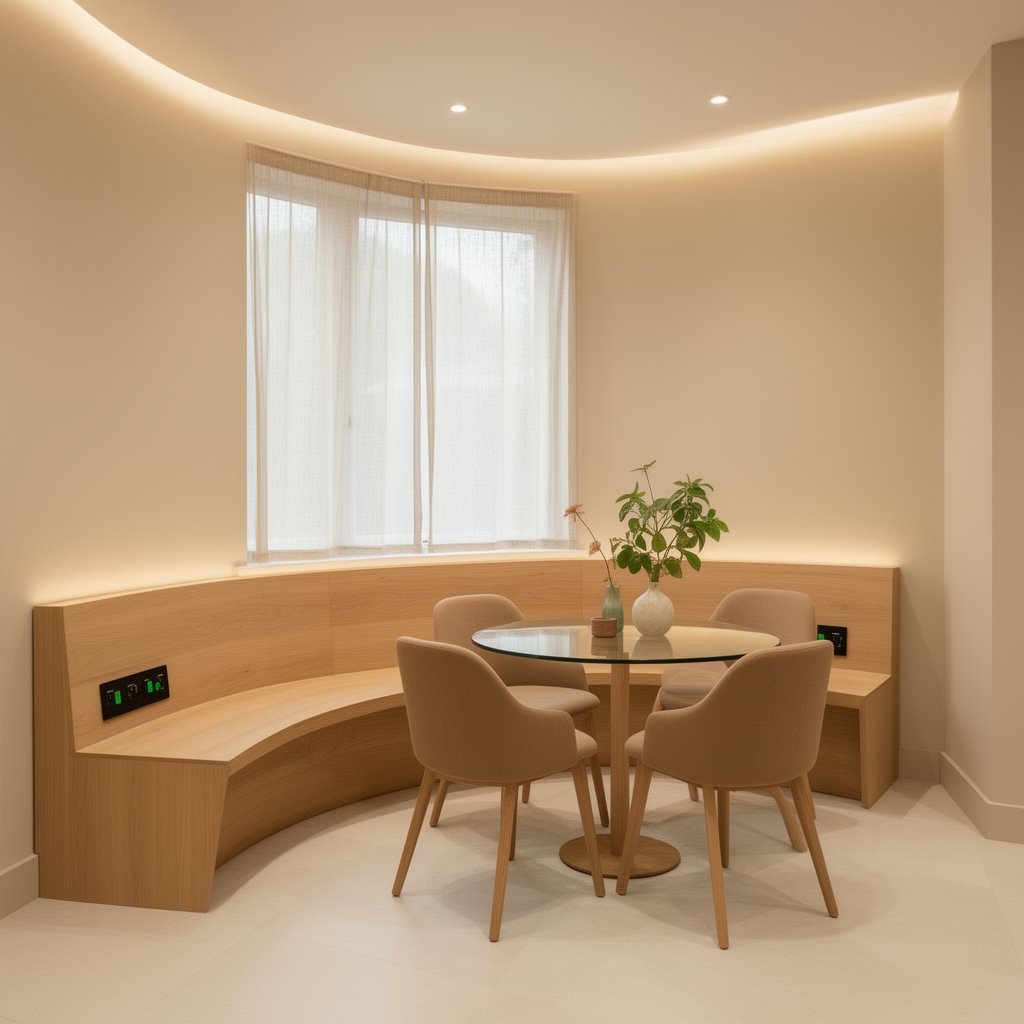
Many articles focus on fabric options or L-shaped banquette layouts but miss the difference ergonomic and material choices make for daily life. Detailed ergonomic guidelines—like a seat depth between 18 and 20 inches, height around 18 inches from the floor, and a back-rest angle of about 100 degrees—are crucial for comfort. An upholstered banquette bench is more welcoming for long meals or late-night conversations. Consider memory foam seat pads or stain-resistant upholstery for families with kids or pets.
Another advanced consideration is modularity. Adding side drawers or integrating pull-out storage beneath a long seat lets you access what you use most without awkward lifting. Smart accessory ideas include built-in magazine racks, hooks for bags, or matched end tables. For example, you can create a cozy banquette reading corner with a bean bag chair beside the bench for extra casual seating.
Ecological materials matter too. Solid wood certified by organizations like FSC, recycled textiles, or low-emission insulation beneath seat pads—these all make a banquette feel good in more ways than one. Choosing such upgrades is not just about green image but also about indoor air quality and lasting durability.
Sustainability in Banquette Design
Eco-friendly design is more than a buzzword in kitchen banquette corner builds. With growing consumer interest in environmentally responsible choices, you want materials that do not off-gas toxins or shed microplastics. Opt for water-based finishes, locally sourced wood, or furniture that can be disassembled and recycled at end of life. Sustainable built-in banquette seating often commands a higher upfront cost, but it pays off in reduced repairs, healthier living, and brand alignment with eco-conscious lifestyles source.
Furniture markets in North America and Europe show buyers are willing to pay for sustainability, as seen in entryway benches and other custom seating segments. You could also pair your eco-banquette with other responsible choices, like a fabric dresser with a wood top for adjacent storage, which uses recyclable materials and limits waste.
Integrating Smart Features into Banquette Seating
Modern custom banquettes do not have to be old-fashioned. As smart home technology rises, seating with wireless charging, hidden power outlets, or even sensor-controlled lighting is becoming a reality source. Imagine charging your phone as you sip coffee or enjoying ambient light for reading under the bench cushion.
For extra versatility, match your banquette setup with multi-functional plug-in furniture like an end table that features built-in charging. Modular setups mean you do not have to invest in a full electrical upgrade to enjoy a connected dining nook. These upgrades may require planning with an electrician, especially if you want subtle cable management and seamless design.
Conclusion
To sum up, built-in banquette seating offers a world of ergonomic, functional, and sustainable benefits, especially for small urban homes and those looking to maximize every inch. While pitfalls like awkward storage or poor ergonomics do exist, thoughtful planning and modern integrations—from eco materials to smart technology—can easily tip the scales in your favor. If you are ready to make your home smarter and cozier, start by assessing your space, choose your features with care, and let built-in banquette seating transform your daily living. Ready to plan your own? Consider the ergonomic rules and sustainable options discussed above, or browse smart end tables and accessories to maximize your comfort and function today.
FAQ
Is built-in banquette seating difficult to maintain or clean?
Not necessarily, but it depends on design choices. Choose wipeable upholstery or removable cushions and ensure storage access is simple to keep cleaning low-effort.
How much space do I need for a banquette dining nook?
Most setups need at least 6 feet along one wall and 36 to 42 inches of depth to allow for the bench and passage. L-shaped banquette layouts may need a bit more.
Can I add electrical outlets or charging ports to my banquette?
Yes, but plan with your contractor or electrician early. Cord management and safety are essential. Alternatively, use nearby furniture like a nightstand or side table with built-in outlets.
What materials are best for sustainable banquette seating?
Look for FSC-certified wood, recycled or natural fiber fabrics, and water-based paints and adhesives. These are safer for you and better for the environment.
Should I add storage under every banquette bench?
Not always. Storage is useful, but difficult-to-reach bins often go unused. If you add storage, favor drawers or hinged doors you can easily access daily.