
Built-in wardrobe bedroom ideas have become essential for homeowners seeking both style and advanced storage in their renovated bedrooms. Today, innovative fitted wardrobe bedroom designs are reshaping how we organize, access, and even interact with our wardrobes. This guide dives right into actionable strategies, addressing costs, common pitfalls, and the tech-forward solutions that transform ordinary closets into standout features of any bedroom.
Key Takeaways
- Smart built-in wardrobes offer superior space management, customized storage, and integrated tech features like app-controlled lighting and motorized doors.
- Installation costs vary from $2,000 to $7,500, with key factors including the size, materials, customization, and labor in your region.
- Many homeowners experience challenges such as inaccurate measurements, missing hardware, or overly generic designs—plan proactively to avoid these pitfalls.
- Introduction to Built-In Wardrobes
- Understanding Installation Costs
- Common Pain Points in Designing Built-In Wardrobes
- Emerging Trends in Built-In Wardrobe Design
- Sustainable and Custom Features for Modern Wardrobes
- Conclusion: Making the Right Choice
- FAQ
Introduction to Built-In Wardrobes
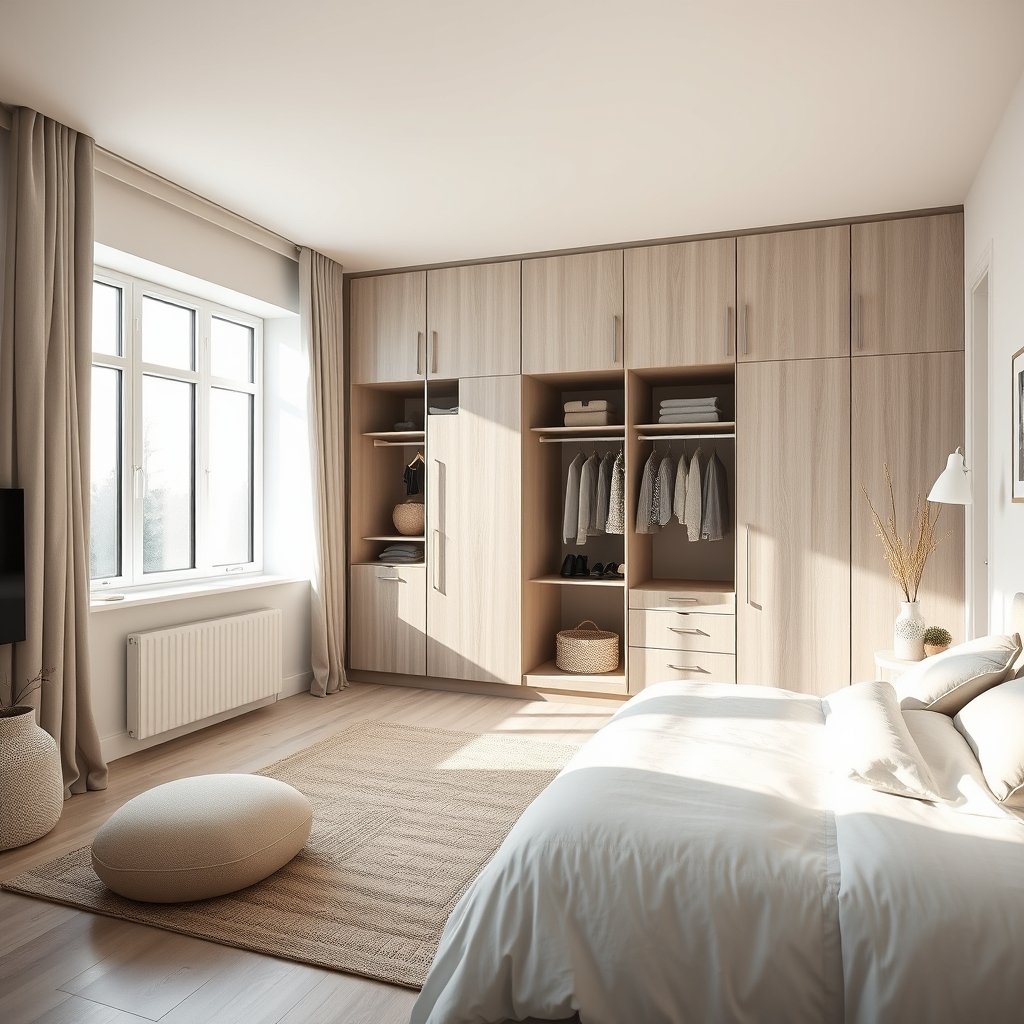
Built-in wardrobe ideas are thriving among modern homeowners because they unify function, flexibility, and sophisticated style into one seamless storage solution. Unlike traditional closets, built-in or fitted wardrobe bedroom installations are custom-tailored for available space—maximizing every inch from wall to wall and floor to ceiling.
This surge in demand is reflected by industry growth: the global built-in wardrobe market reached about USD 5.8 billion in 2024. With options ranging from classic hinged doors to bold walk-in systems and integrated mirrors, the right wardrobe can transform your daily routine and even increase the value of your home.
Built-in wardrobes are not only visually appealing but also cater to evolving needs such as tech integration, hidden drawers, and customizable layouts. Today’s fitted solutions outperform generic furniture—especially when designed thoughtfully for lifestyle, storage preferences, and future upgrades such as innovative furniture in bedrooms.
Understanding Installation Costs
When you invest in a floor to ceiling wardrobe closet, understanding the cost breakdown is crucial. Here is how these costs play out:
- Materials: Premium woods, customized glass, mirrored panels, or eco-friendly laminates will tilt costs higher, while simple MDF or melamine brings the price down.
- Size & Complexity: Full wall or walk-in installations cost more, especially if you require innovative corners, sloped ceilings, or specialty doors.
- Customization: bespoke features like soft-close drawers, smart lighting, shoe organizers, or velvet-lined jewelry sections add to overall investment.
- Labor: US costs in 2024 ranged from $160 to $500 a linear foot, averaging $330, placing complete builds between $2,000 and $7,500 (Airtasker report).
Be sure to factor in design consultations, delivery, and potential post-installation tweaks. Always request a detailed quote and seek referrals or references from previous builds.
Depending on your space, you might integrate clever hanging solutions or tie it with external furniture for small rooms. For example, pairing a built-in wardrobe in a compact bedroom with a dual-purpose nightstand provides extra utility and saves floor space.
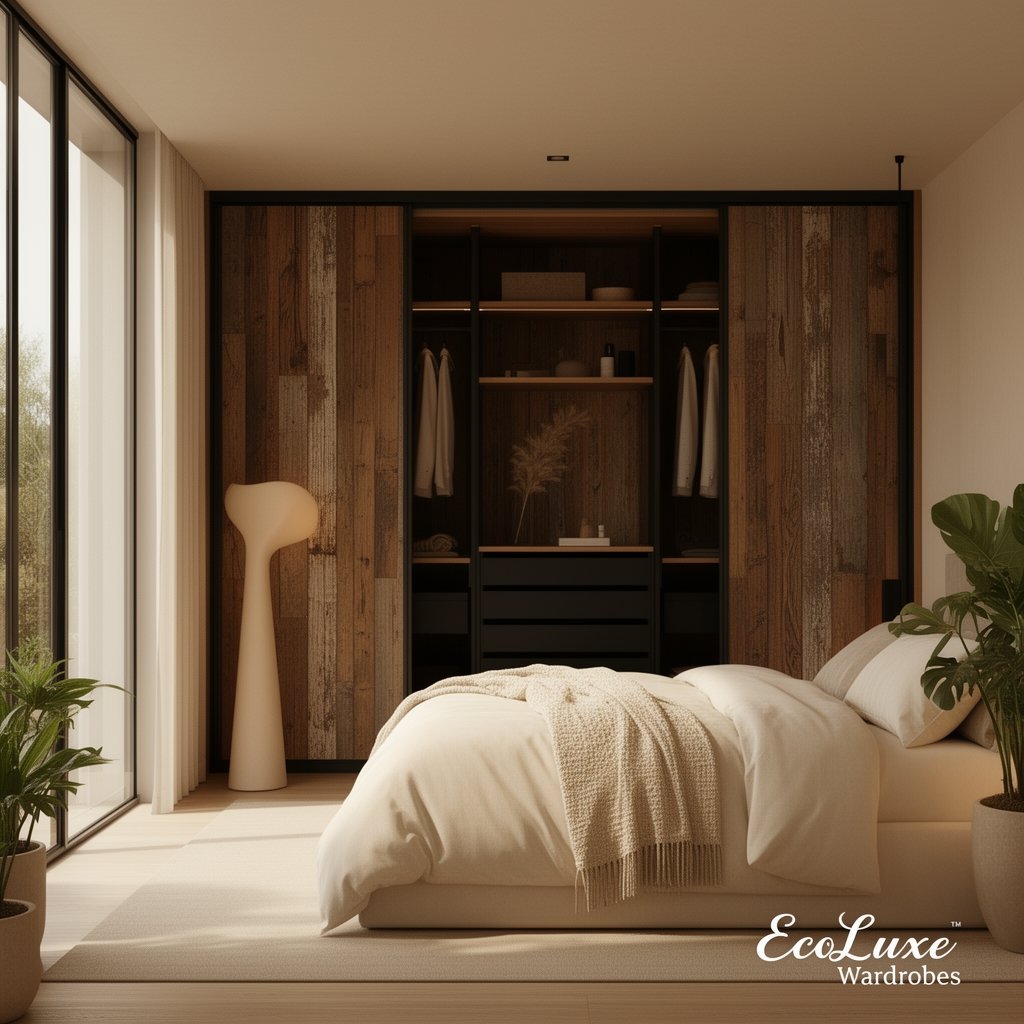
Choosing between sliding, hinged, or mirrored doors impacts both the price and room flow. Floor to ceiling wardrobe closet doors, especially those with smart opening features, not only look seamless but also support airtight sealing—protecting clothes from dust and changing humidity.
Lastly, for DIYers, factor in additional supplies and allow more time. Most professionals recommend leaving complex layouts to experienced installers to ensure perfect alignment and long-lasting function.
Common Pain Points in Designing Built-In Wardrobes
Despite their benefits, many homeowners face setbacks when creating built in closet wardrobe systems. Data shows some of the most frequent issues include:
- Inaccurate room measurements leading to poor fit
- Missing, wrong, or substandard hardware
- Assembly or installation errors that require expensive corrections
- Generic layouts failing to utilize tricky corners or alcoves
- Poor material selection resulting in early wear, sagging, or warping
- Difficulty adapting built-ins in small or irregularly shaped bedrooms
A bespoke wardrobe closet can solve most of these, but only if you take a proactive approach. For spaces with unique storage profiles, seek out flexible shelving, removable drawers, and adjustable rods found in premium built-ins. Many modern systems also include concealed power outlets—much like the innovative feature set found in a compact nightstand with charging ports.
Below is a simple comparison to help clarify the tradeoffs:
| Feature | Built-In Wardrobe | Freestanding Wardrobe |
|---|---|---|
| Fits Irregular Spaces | Excellent | Poor |
| Aesthetic Customization | Unlimited | Limited |
| Integrated Tech Options | Available | Rare |
| Ease of Relocation | None | Easy |
| Longevity | High | Moderate |
| Cost | Higher initial | Lower |
For those facing challenges with air leakage, humidity, or material degradation, prioritize airtight sliding door solutions and low-VOC sustainable finishes. For a different approach to maximizing bedroom storage, consider ideas from built-in seating and multi-use furniture trends.
Reading user reviews, especially about missing components or difficult assemblies, can save hours of frustration. For tiny or oddly shaped rooms, inspiration from custom headboard and smart furnishing guides can help solve niche challenges.
Emerging Trends in Built-In Wardrobe Design
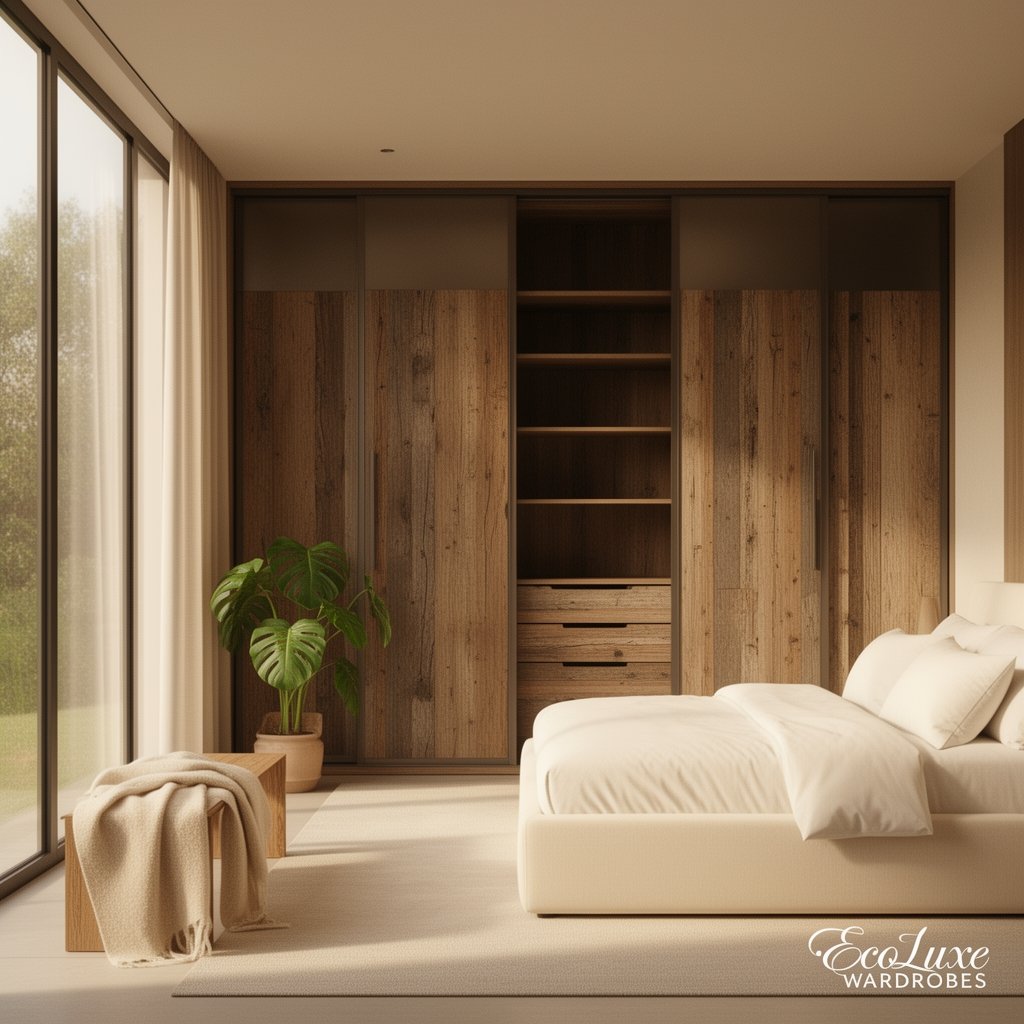
Modern built-in wardrobe with mirror solutions and walk-in wardrobe built-in designs are evolving quickly. Industry analysis reveals that while many suppliers stick to predictable shelving routines, leading-edge projects now emphasize technology, wellness, and luxury details.
- Smart Technology: Remote-controlled LED lighting, humidity monitoring, motorized doors, and app-based scheduling are rapidly becoming standard, even for average-size wardrobes.
- Integrated Accessories: Concealed charging stations, anti-fog glass panels, and velvet-lined compartments add both luxury and everyday convenience.
- Modular Adaptability: Flexible shelving and digital twin modeling (a virtual replica of your closet layout) help predict and adapt to lifestyle shifts, growing families, or seasonal wardrobe changes.
- Sustainability: As new research suggests, sustainable finishes and recycled materials are a must for buyers who value their environmental impact as much as their bedroom’s polish.
Customization is being driven by real needs. Many brands now launch lines specifically for small bedrooms (see tall dresser storage solutions), maximizing every bit of vertical space.
Most buyers find value in finishes that are easy to clean and resistant to fingerprints or scratches. The latest market data points to a strong upward trend in demand for custom and modular wardrobes from 2026 onward (see report).
Sustainable and Custom Features for Modern Wardrobes
Homeowners are demanding more than just functional storage. Today, built in wardrobe ideas for small bedroom spaces must reflect eco-conscious values and offer genuine customization.
New product lines, like those from IKEA and California Closets, use recycled materials, low-emissions adhesives, and high-durability finishes. Greater modularity means it is easy to add, adjust, or remove shelving and accessories as your needs change. A recent trend—a preference for open storage sections paired with concealed drawers or soft-close accessories—addresses clutter without sacrificing design harmony.
When customizing, do not overlook practical touches such as pull-down hanging rods, illuminated mirror panels, or built-in laundry sections. These features are especially beneficial in smaller rooms where every feature must earn its keep.
This customization wave matches a market shift—recent research shows the need for sustainable products is driving the growth in this sector. Thus, investing in an eco-friendly bespoke wardrobe closet is just as much about future-proofing your investment as it is about daily convenience.
In small bedrooms, double up on storage by adding a cube bookshelf for accessories or seasonal wear. For integrated organization, a multi-bin dresser can work perfectly alongside a compact built-in.
Conclusion: Making the Right Choice
Choosing the right built-in wardrobe is more than a design decision—it is an investment in your lifestyle, property value, and long-term satisfaction. Purposeful planning, modern materials, and smart features ensure your fitted wardrobe bedroom project stands the test of time and adapts with changing trends.
With the custom closets market set to expand by 6.8 percent annually through 2033, now is the perfect time to bring your built-in wardrobe bedroom ideas to life. Prioritize both function and innovation. Ready to transform your space? Start your research, talk to experienced installers, and visualize your smart, sustainable dream wardrobe today.
FAQ
How much does a built-in wardrobe cost?
Prices for a built-in wardrobe range from $2,000 to $7,500 in the US as of 2024. The final amount depends on size, materials, labor, and customization level. Always request a written quote before starting your project.
Is a built-in wardrobe worth it for small bedrooms?
Yes. Built-in wardrobes can maximize space and keep small bedrooms organized. Customizable options such as sliding doors or integrated drawers make smart use of tight layouts.
What modern tech features can I add to my built-in wardrobe?
Popular choices include app-based LED lighting, humidity control, motorized door systems, concealed charging stations, and occupancy sensors for automatic illumination.
What are the biggest challenges during installation?
Common issues are inaccurate measurements, missing components, and adjusting to unusual wall angles. Working with experienced installers and using digital modeling tools can prevent many problems.
What maintenance do built-in wardrobes require?
Minimal maintenance is needed beyond periodic cleaning of shelves, runners, and door tracks. Choose finishes that repel dust and fingerprints for easier upkeep.