
Fold down wall desk solutions have surged in popularity as more people work or study from small apartments and homes. This guide cuts through the noise, showing you what really matters when picking and integrating a fold down wall desk, flagging common pitfalls, and offering practical strategies so you avoid buyer’s regret.
Key Takeaways
- The fold down wall desk market is estimated at USD 3.5 billion in 2024, driven by remote work and small space needs.
- Installation issues and lack of user-friendly features are the top complaints, so buyer research is essential.
- Smart shopping means prioritizing stability, integrated storage, and ease of install—not just looks or price.
- Understanding the Market for Wall-Mounted Folding Desks
- How to Select and Install Your Fold Down Wall Desk
- Real-World Problems and How to Avoid Them
- Conclusion
- Frequently Asked Questions
Understanding the Market for Wall-Mounted Folding Desks
The wall mounted folding desk home office segment has evolved rapidly due to rising urban density, more people working from home, and pressure to make every corner count. In 2024, global sales for these compact desks are estimated around USD 3.5 billion with expected annual growth of 6.5 percent through 2033 [see the data]. Leading brands like IKEA, Bush, and Flexispot—and newer pure-play ecommerce brands—compete for space in bedrooms, studio apartments, and even living rooms.
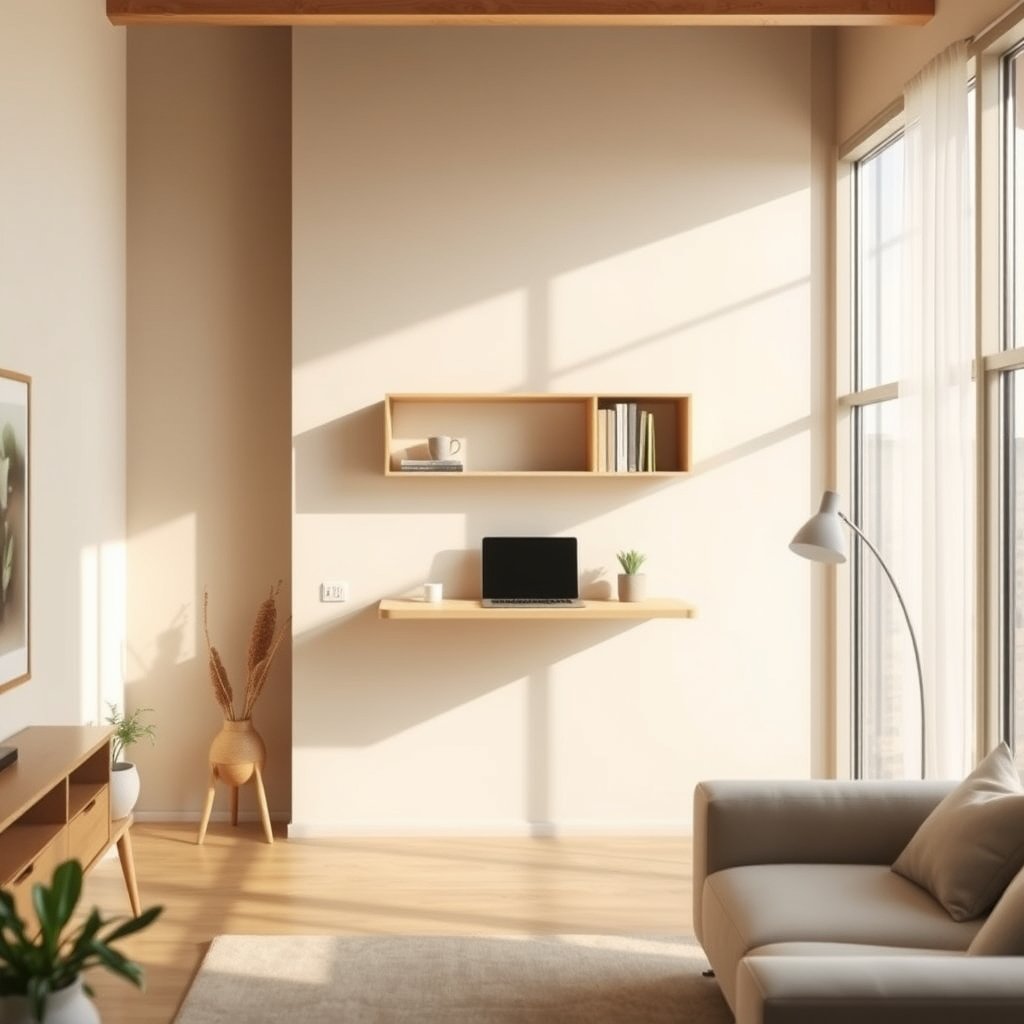
What makes this niche so compelling is its promise: the ability to reclaim valuable square footage by converting a blank wall into a productive work area—or folding it away instantly for living or entertaining. But buyer trends reveal that while “fold away desk bedroom” and “wall desk small space” options are everywhere, not all are created equal, and real user problems persist.
How to Select and Install Your Fold Down Wall Desk
Getting the right floating desk fold up model is more than just ordering the one with the best photo or the lowest price tag. Follow these steps for a desk you will actually use—and like—for years to come.
- Define your space and purpose. Measure the wall and note nearby obstacles, then decide what the primary use will be: laptop work, art, or simply sorting mail. The right surface depth and width matter—a common pain point is buying a desk that feels cramped once a device and notepad are on it.
- Prioritize features that boost usability. Look for desks with integrated storage for chargers and stationery. Modern models often offer built-in power outlets or USB hubs, hydraulic hinges for quiet closing, and modular add-ons like shelves or even acoustic panels. These details distinguish a “workspace you want to use” from one you tolerate.
- Check installation requirements explicitly. About 37 percent of user reviews cite issues such as misaligned mounting holes or needing a second set of hands for installation [read more here]. Review the install guide before buying: if it is vague or missing, that is a red flag.
- Research the brand’s after-sales support and return policy. If possible, consult independent reviews. Some brands shine in their willingness to send out corrected parts or reply to queries—others do not.
- Balance design with ergonomics. For small and visually busy rooms, fold up desk white options or light, neutral finishes help open up the space. Also look for pinch-point safety if kids are present, and double-check that the chosen wall can handle the loaded desk’s weight.
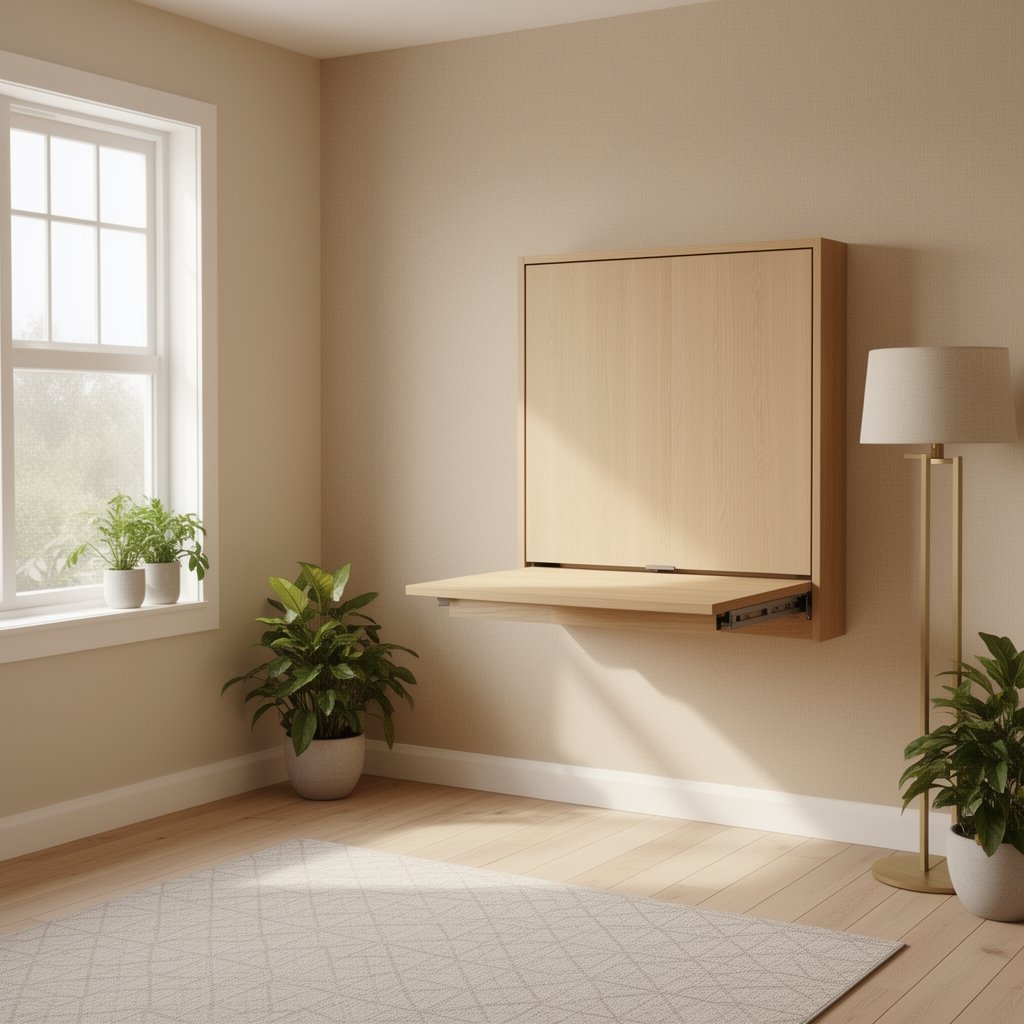
This approach is especially convenient if you integrate the desk with other modular furniture. For example, pair a wall desk with storage like a compact vertical bookshelf such as the LUDER 5-Cube Bookshelf or a slim end table with charging ports for seamless utility like this HOOBRO Side Table. These strategies maximize every inch and help create a more organized and harmonious home office or study nook.
Real-World Problems and How to Avoid Them
Despite their promises, many fold down desk wall mounted options introduce headaches for users, especially in compact apartments or shared bedrooms. Here is a realistic look at what often goes wrong and how you can sidestep these traps.
| Common Pitfall | What Causes It | How to Avoid |
|---|---|---|
| Misaligned mounting holes | Poor factory drilling, cheap materials | Read independent reviews for mentions of this issue; consider brands with quality checks and strong return policies |
| Surface depth too shallow | Design prioritizes compactness over usability | Check the product’s open dimensions and compare to your daily needs |
| Noisy or unstable hinges | Basic hardware rather than hydraulic or soft-close mechanisms | Look for brands highlighting quiet or smooth operation, such as hydraulic-assist mechanisms |
| Lack of cable management or power outlets |
Minimalist builds skip these to save cost | Favor desks that integrate power strips or cord cutouts; a leading folding furniture report notes this is now a significant differentiator |
| Inadequate storage | Many fold away designs offer none beyond the worktop | Choose models with built-in cubbies or pair with vertical shelving or nightstands suited for small spaces |
| Poor finish durability | Thin veneer or paint over MDF or softwoods | Seek professional or reinforced finishes, especially if you plan on frequent folding and unfolding |
| Echo and noise in compact work zones | Hard surfaces amplify sound | Add felt pinboards or acoustic shelves, or rugs beneath the desk, as advised by space planning experts |
Design psychology matters, too. The right paint color or additional acoustic treatment for your work zone can seriously improve both productivity and comfort, especially if you are sharing your living space or on frequent video calls. Choose lighter colors for the desk and wall if your room feels dark or cramped, as this visually expands the area. If possible, integrate soft furnishings nearby, like a felt wall pinboard, to reduce sound reflections. For a more private study nook, consider pairing your fold down wall desk with a tension rod room divider that does not require wall damage.
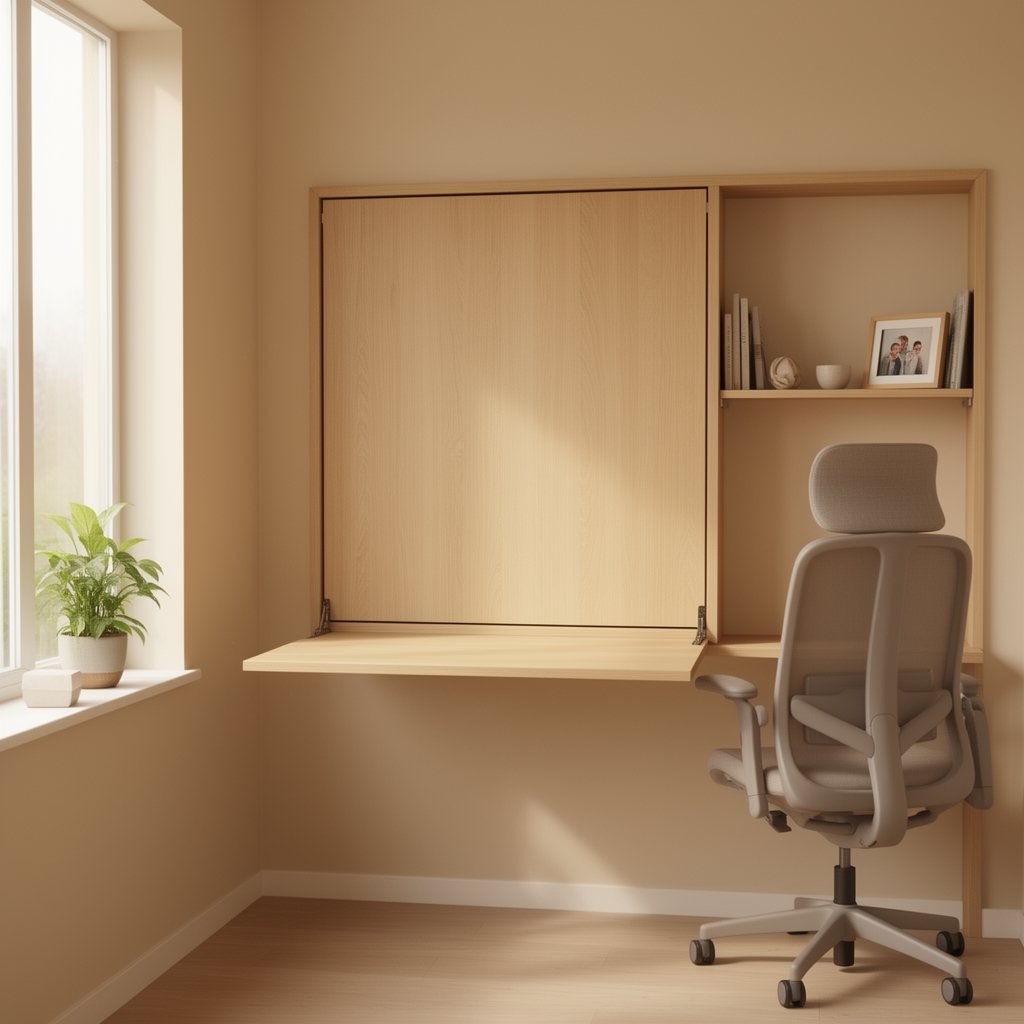
The best new fold down wall desk models combine all these considerations, using sustainable composite or recycled material frames and highly modular add-on options, plus finishes that hold up under daily use—so you maintain a professional appearance even in the tightest space. For those who want to go a step further, a murphy desk system is worth exploring, bringing even more flexibility to your living environment.
Conclusion
If you aim to maximize a small living space, buying the right fold down wall desk is about more than just picking the slimmest option online. Focus on durability, ease of installation, and smart integrated features so your investment pays off in productivity and comfort. Whether you need a wall desk for a small space, a floating desk fold up for shared bedrooms, or a murphy desk for an all-in-one solution, due diligence today saves time and headaches down the road. Start your search with a critical eye, and soon you will have a fold down wall desk setup that transforms the way you work or study at home.
Ready to reclaim your room? Research, compare, and upgrade your workspace today.
Frequently Asked Questions
How much weight can a fold down wall desk hold?
Most household models safely support 30 to 50 pounds, but always check the manufacturer’s rating—load limits depend heavily on wall anchors, materials, and frame construction.
Can I install a fold down wall desk by myself?
Installation is possible solo for some smaller models, but a second person is strongly recommended for safe and level mounting, especially with heavier units or concrete walls.
How wide should I go for a functional workspace?
A width of at least 30 inches and a depth of 15 to 20 inches works for a laptop and basic office needs. Measure your largest device with accessories to make sure it fits comfortably.
What if my walls are not drywall?
For masonry, concrete, or brick, use specialized anchors or even construction adhesive along with mounting hardware. Always follow the desk’s instructions for best results.
Are there stylish options that do not look like office furniture?
Absolutely. Many modern desks feature streamlined finishes, hidden storage, and neutral color choices. Options like floating shelves or compact wall furniture can match your decor—browse examples like the VASAGLE LILEA side table to coordinate with your workspace.