
Modular cube storage shelving has quickly become the go-to storage solution for urban dwellers and homeowners who want flexibility, easy reorganization, and long-term savings compared to regular shelves. But is it the right fit for your needs, or are there realities and drawbacks you should prepare for?
Key Takeaways
- Modular cube storage shelving offers unmatched layout flexibility, making it ideal for evolving interiors and tight spaces.
- Common issues include occasional instability under heavy loads and the challenge of choosing truly sturdy, easy-to-assemble modular shelving units.
- Modern cubes now feature customizable options, eco-friendly materials, and helpful accessories, all factors that should guide your purchasing decision.
- Why Choose Modular Cube Storage Shelving?
- How to Set Up Modular Cube Storage Shelving: A Step by Step Guide
- Advanced Analysis and Common Pitfalls
- Conclusion
- Frequently Asked Questions
Why Choose Modular Cube Storage Shelving?
Urban living, growing families, and ever-changing needs have shifted the storage world toward flexible solutions. The modular shelving unit—often recommended as a flexible kallax alternative—allows you to rearrange, expand, or downsize your storage as your space and life evolve. According to recent reports, 42 percent of consumers in 2024 prefer modular cube-style storage shelving over traditional units, mainly because they want the freedom to reconfigure layouts without major investments or renovations. Source
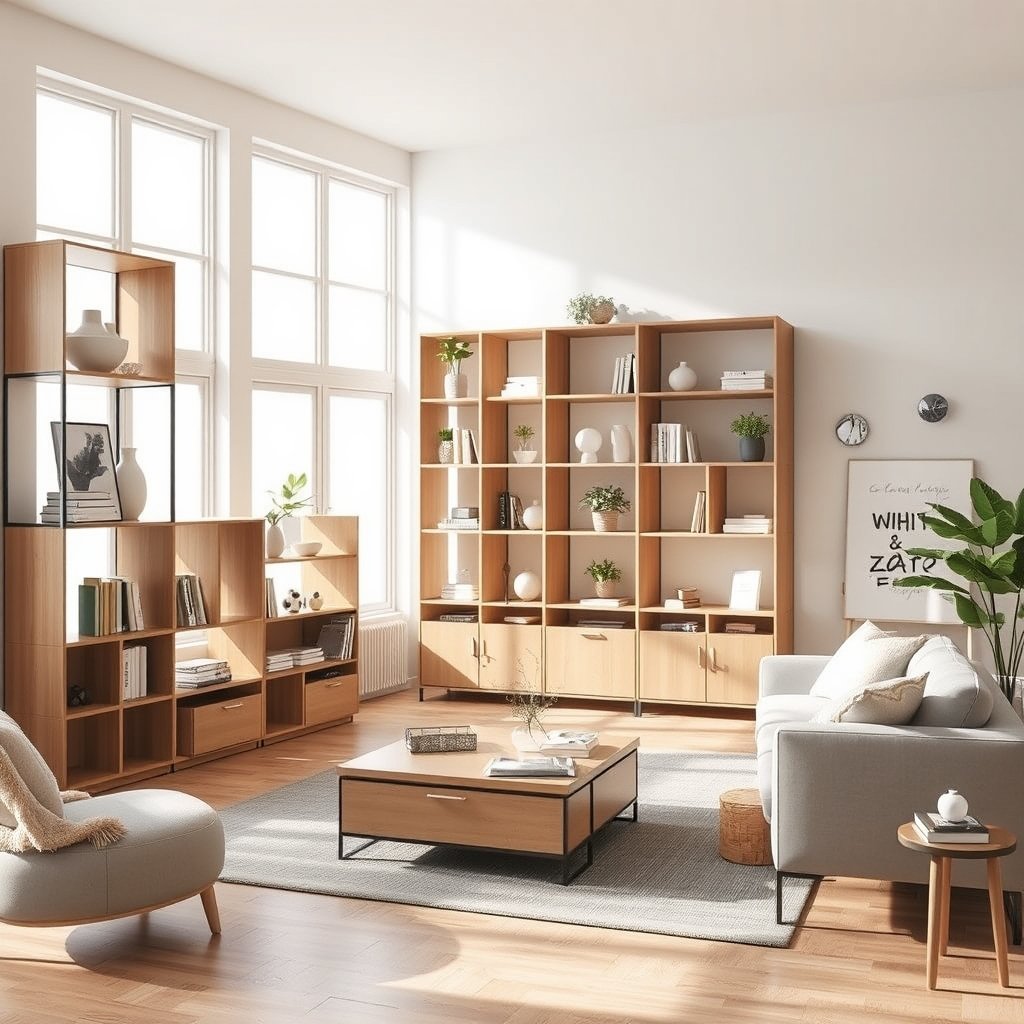
Besides adaptability, modular units stand out for their variety of finishes, options for modular wall storage cubes, and their ability to blend aesthetic appeal with simple assembly. This makes them ideal for both students needing organized workspaces and families seeking endlessly adaptable storage. Contemporary brands now compete to offer sustainable materials and accessories, meeting demand for both eco-friendly homes and modern efficiency.
For even more on adaptable furniture that fits urban spaces, see our guide on Wall Bed Desk Combos for Small Apartments.
How to Set Up Modular Cube Storage Shelving: A Step by Step Guide
Getting the most out of modular cube storage shelving starts with proper planning and assembly. Here is a battle-tested setup method anyone can follow:
- Identify Your Main Storage Needs
Consider whether you need a modular shelving unit for books, home office supplies, toys, closet organization, or even dividing a space. This will determine cube size, cube storage with drawers, or need for customisable cube storage elements like doors or baskets. - Map Out the Space and Layout
Measure your available space carefully. Mark where the unit will go, keeping in mind access to windows, outlets, and walkways. Use painter’s tape to outline the footprint of your cube storage organiser. - Choose Cube Type and Material
Decide between open cubes, options with drawers, or specialized cubes for shoes or electronics. Pay attention to weight ratings—especially if storing heavy items. Opt for products with clear assembly instructions and good customer support. - Check Stability Features
Before assembly, inspect for wall mounting brackets, anti-tip hardware, or reinforced panels. For taller stackable cube storage units, wall anchoring is highly recommended. - Assemble Carefully, With a Second Set of Hands
Lay out all parts and read the guide fully first. Assemble on a flat surface to avoid wobbling issues. Double-check every joint for tight fit. - Load Wisely and Accessorize
Place heavier items on the bottom cubes. Add modular accessories such as baskets, lighting, or doors on upper sections for safety and style. - Rearrange as Needed
The main benefit is flexibility—do not hesitate to move, add, or remove cubes as your storage needs change.
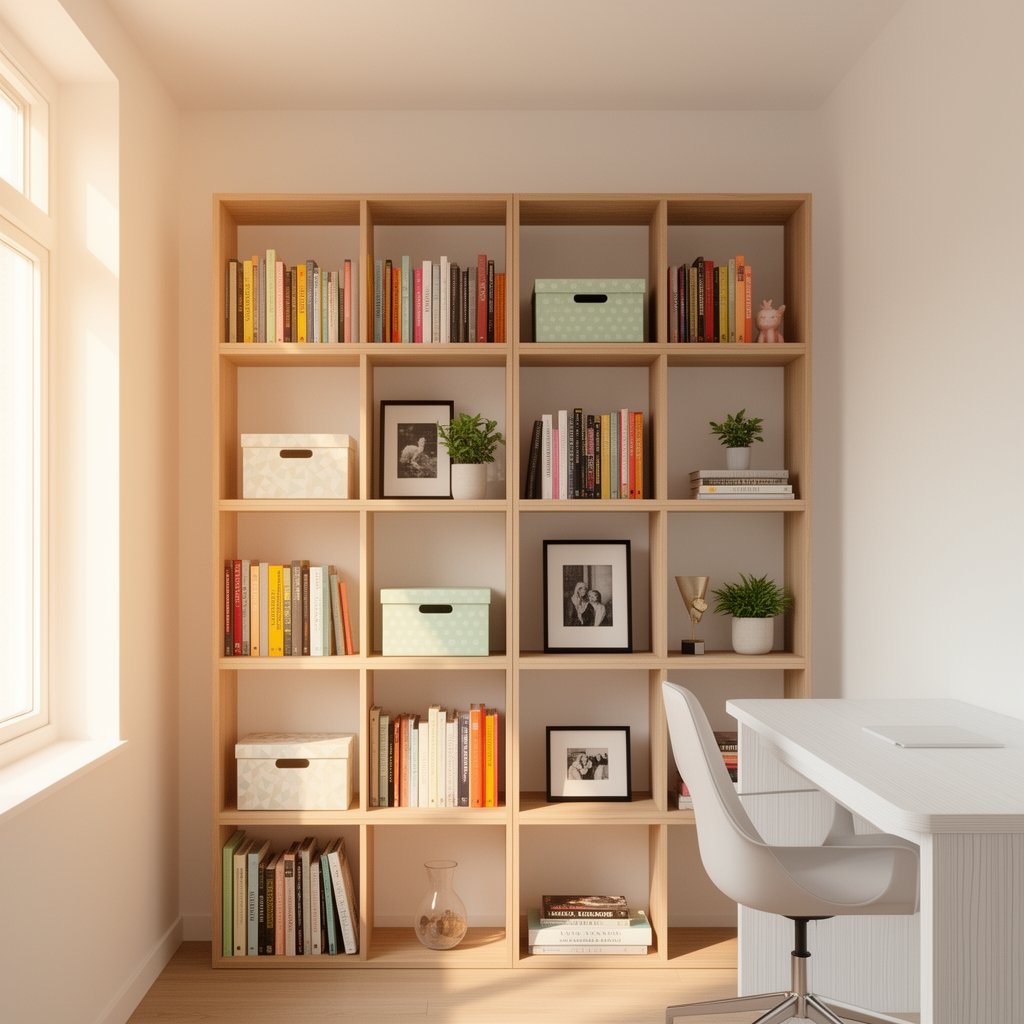
When organizing small living rooms, pairing your modular cubes with a compact cube bookshelf or mid-century modern cube bookcase provides even more custom options for books or decorations.
Advanced Analysis and Common Pitfalls
While modular cube storage shelving is celebrated for flexibility, real-world use uncovers common issues and buyer regrets. Let’s break them down and provide an actionable comparison:
Common Complaints
- Stability—Stackable cube storage units can wobble or lean when fully loaded, especially if cubes are tall and unanchored. Many users report tipped units or shifting cubes over time.
- Challenging Assembly—Poorly-labeled parts, vague diagrams, and missing hardware make assembly frustrating. Solo assembly is rarely advised for anything above four cubes in height.
- Weight Limits—Individual cubes often max out around 20 to 40 pounds. Users sometimes overload with books or gear, causing sagging floors or separation at connectors.
- Aesthetic Limitations—While choices are better now, not all brands offer finishes that blend with high-end furniture, and plastic cubes can look cheap in main rooms.
- Durability Concerns—Low-cost options can include thin particleboard that chips or cracks, and weak plastic connectors that fail with frequent reconfiguration.
Real-World Applications and Comparison
User-generated photos reveal how modular storage fits into rental apartments, playrooms, retail, and home offices. Unfortunately, most product listings do not showcase real rooms or actual transformations—leaving buyers to wonder about long-term satisfaction or how to blend cubes with other furniture, like nightstands with fabric drawers or sturdy metal bed frames.
| Feature | Modular Cubes | Traditional Shelves |
|---|---|---|
| Layout Reconfigurability | Yes, highly flexible | Fixed, little to no flexibility |
| Assembly Time | Medium, can be confusing | Medium to High, but generally requires fewer small parts |
| Weight Capacity Per Unit | 20-40 lbs per cube | Up to 100 lbs per shelf |
| Material Sustainability | Varies, some eco options | Typically wood or metal |
| Aesthetic Choices | Improving, but limited in budget lines | Wide variety |
| Long Term Durability | Mixed, depends on brand | Generally strong for premium models |
| Cost Over Time | Lower initial, but may need early replacement for low-end units | Higher upfront, but less frequent replacing |
Gaps remain in the market for affordable modular shelving that combines excellent load capacity, high-end materials, and user-friendly assembly instructions. Users crave side-by-side comparisons, warranty transparency, and more real-life inspiration photos.
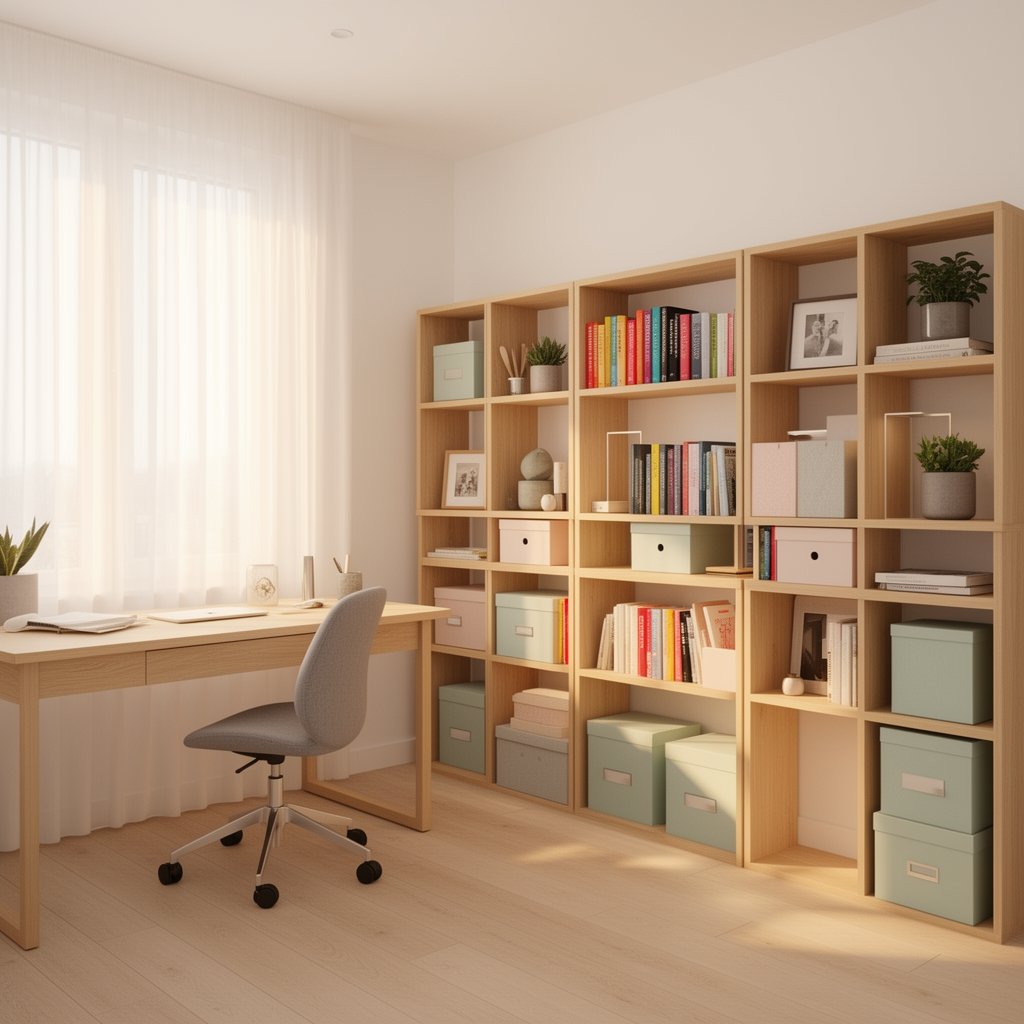
If you are also looking at maximizing every inch in your entryway, consider pairing cube shelves with a well-designed mudroom bench with cubbies for shoes and outdoor gear storage.
Conclusion
Modular cube storage shelving gives you the power to easily adapt your storage to changing needs and spaces. With smart planning and a clear sense of potential pitfalls (like assembly hassle and stability), you get a flexible organization system that can outlast many traditional options. If you want customizable, space-saving storage, modular cube storage shelving is a smart upgrade—just be sure to pick quality components and secure them safely.
Ready to transform your home or office? Explore your options, read real user reviews, and invest in cubes that will serve you well for years to come.
Frequently Asked Questions
How much weight can each modular cube hold?
Most standard modular cubes safely support 20 to 40 pounds per cube. Always check manufacturer specs—overloading can lead to frame warping or connectors giving out.
Do modular cube shelves require wall anchoring?
For stacks beyond three cubes high, securing with a wall anchor or anti-tip kit is strongly recommended to prevent tipping or shifting, especially in homes with children or pets.
What options are there for customizing the look of modular cubes?
You can add doors, baskets, fabric drawers, and modular wall storage cubes. Some brands offer a range of finishes for better blending with your room decor.
Are modular cubes easy to move and reconfigure?
Yes, that is their main advantage. You can add more cubes, reposition them, or adjust the layout without new hardware. Choose cubes with high-quality connectors for best reusability.
What should I do if my stackable cube storage unit feels unstable?
Make sure all connectors are tightly in place, put heavier items on lower cubes, and install wall anchors or anti-tip straps. For extra tips, see our discussion above about common pitfalls.