
“`html
### Blog Post:
Cloffice desk ideas are transforming how homeowners and renters use compact spaces to create budget-friendly home offices. If you want a practical and stylish workstation but have little room to spare, these strategies for a closet office conversion let you maximize what you have without breaking the bank or losing precious living space.
Key Takeaways
- You can convert a standard closet into a fully functional office for $1000 to $1500, but smart DIYers often create cloffices for under $300 in materials.
- Major challenges include shallow closet depth, poor ventilation, and tricky cable management—effective solutions exist for each.
- Small space design tricks like wall-mounted or floating desks dramatically increase comfort and utility.
- What Is a Cloffice and Why Is It Worth Considering?
- Step-by-Step Guide to Creating a Small Space Cloffice
- Advanced Analysis and Common Pitfalls in Closet Office Conversions
- Conclusion
- Frequently Asked Questions
What Is a Cloffice and Why Is It Worth Considering?
A cloffice is simply a closet transformed into a small but mighty office space. This trend is catching on among remote workers and city dwellers who need a designated work zone but lack a spare room. The appeal lies in making the most of an unused closet—no need to sacrifice entire bedrooms or living areas just for a desk. By focusing on smart design, clever storage, and versatile furniture, the cloffice method helps you convert a closet to an office that looks good, feels comfortable, and truly works for daily tasks.
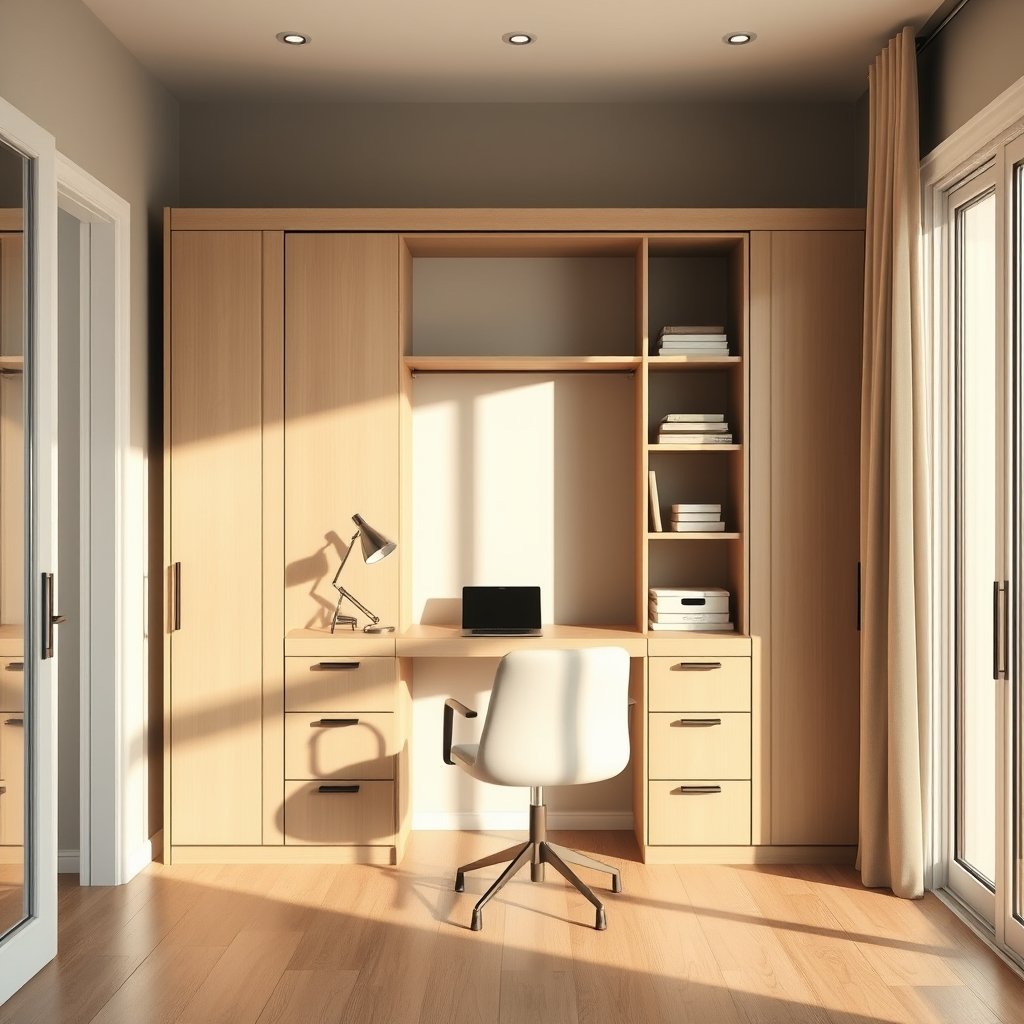
The cost savings are real. According to industry data, the typical closet office conversion in 2024 ranges from $1000 to $1500 when combining materials and some labor. However, if you go the DIY route, you can often keep supply costs below $300—sometimes even lower. In short, cloffice desk ideas are about stretching your space and your dollar, all without a messy or invasive renovation.
Step-by-Step Guide to Creating a Small Space Cloffice
Building a functional and attractive cloffice does not require advanced renovation skills, just strategic planning and a willingness to get creative. Here is a guide to turn a simple closet into a workspace you will actually want to use every day.
1. Clear Out and Assess the Closet
Empty the closet and look for any repairs or obstacles like existing closet rods or high shelves. These can be removed or repurposed as needed.
2. Plan Layout for Desk and Storage
Sketch your layout. Wall-mounted or floating desks are gold for small cloffice spaces. Consider integrated storage solutions above and alongside your desk. For more ideas, see our guide on clever side tables for small spaces to use as extra worktop support or for nighttime charging stations.
3. Upgrade Lighting and Power
Poor lighting is the enemy of a cozy home office closet nook. Add LED strip lights or a compact overhead fixture. Use cord covers or a power strip fixed under your desktop to keep cables neat. For a bonus, consider an end table with USB charging station close to the closet entrance.
4. Build or Install the Desk
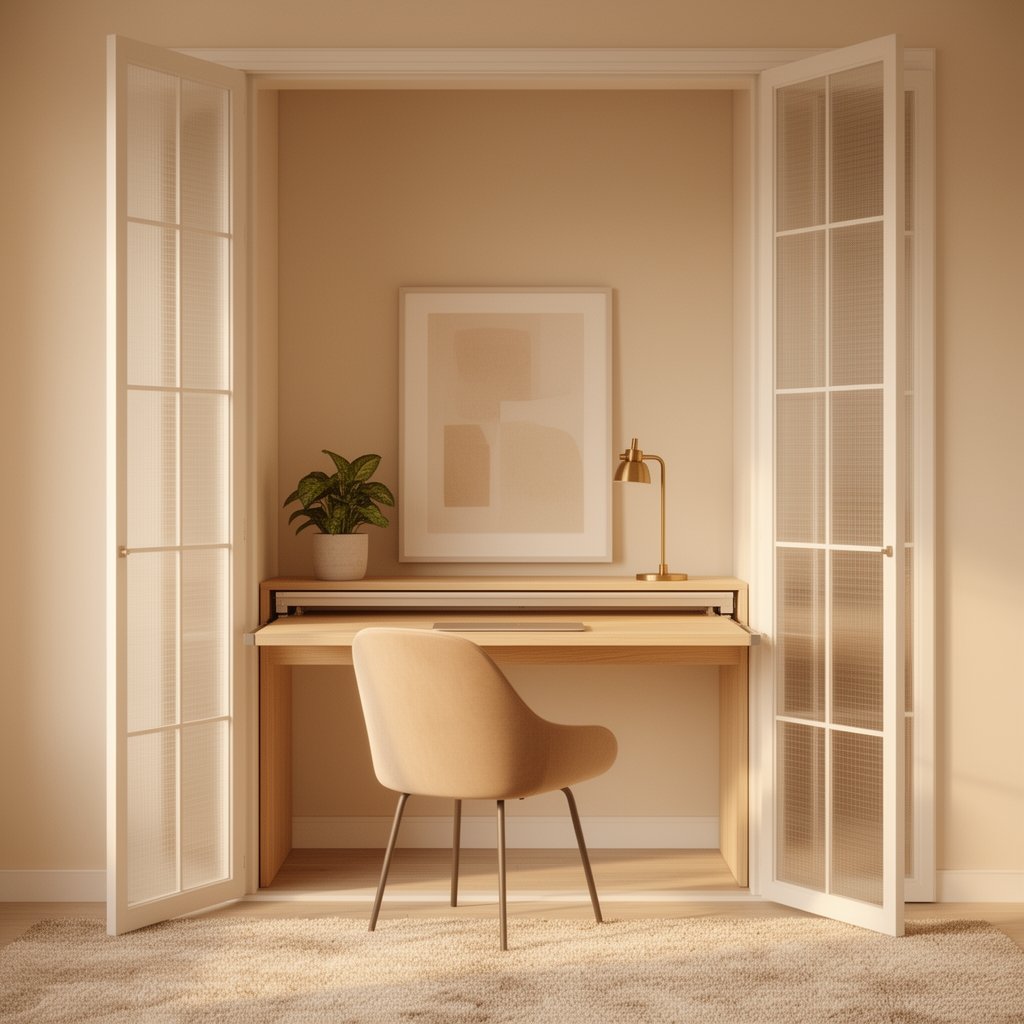
For most small closets, a cut-to-fit floating desktop supported by wall cleats is best. Some users opt for a rail-guided pull-out workbench or telescoping desk if they need to reclaim the space for other uses when not working. Inspiration for DIY closet desks is easy to find, and projects often cost less than $200 for materials when you use plywood, wall brackets, and simple finishes.
5. Integrate Ergonomics Early
Cramming into too small a workspace is a recipe for aches and poor productivity. Add a height-adjustable monitor arm or laptop riser to get your screen at eye level. Opt for a comfortable, low-profile chair—many vanity stools with hidden storage fit neatly under closet desks without wasting space.
6. Maximize Vertical Storage
Use wall shelves, pegboards, or cube organizers reaching up to the ceiling. Integrated shelving can double as a cabinet for printers, supplies, or decor. Need more creative inspiration? See our curated styling guides for small rooms.
7. Personalize with Color and Accessories
Paint the closet interior a cheerful color, use peel-and-stick wallpaper, and add a favorite art piece or motivational quote. Small framed prints or a mini whiteboard can make it more inviting.
8. Solve for Airflow and Noise
If your closet office gets stuffy, install a low-noise fan or vent to promote airflow. Basic stick-on weatherproofing strips can help dampen noise for focused work sessions. For more, check our tips on maximizing built-in closet storage and keeping small spaces pleasant.
Advanced Analysis and Common Pitfalls in Closet Office Conversions
While turning a closet into a comfortable and stylish desk nook brings major rewards, there are some common challenges few people anticipate during planning.
| Challenge | Impact | Best Solution |
|---|---|---|
| Depth limit (24-30 inches typical) | Limits workspace and legroom | Install a wall-mounted or telescoping desk, use compact monitor arms |
| Poor Ventilation | Causes overheating or air stuffiness | Add a battery fan, door cutout, or removable vent panel |
| Cable routing | Messy appearance, hazards underfoot | Under-desk cable trays, cord covers, power strip fixings |
| Insufficient Lighting | Strains eyes and reduces productivity | Install overhead LED or plug-in strip lighting |
| Limited Storage | Clutter or wasted vertical space | Tall wall shelves, stackable cubes, multi-purpose side table |
| Ergonomics | Poor posture, discomfort over time | Monitor riser, compact adjustable chair or stool |
| Door Usability | Blocked access or doors no longer close | Choose work surfaces that fit precisely and keep clearances minimal |
| Budget Overruns | Costs spiral beyond initial estimate | DIY builds, stick to basic finishes, shop sales for hardware, upcycle existing pieces |
According to Real Homes, creative DIY builds can keep total conversion costs far below even a modest professional project, provided you avoid common pitfalls like buying oversized desks or failing to address airflow and lighting up front. If your closet is extremely shallow, a fixed shelf or a fold-down platform allows you to work without blocking entryways.
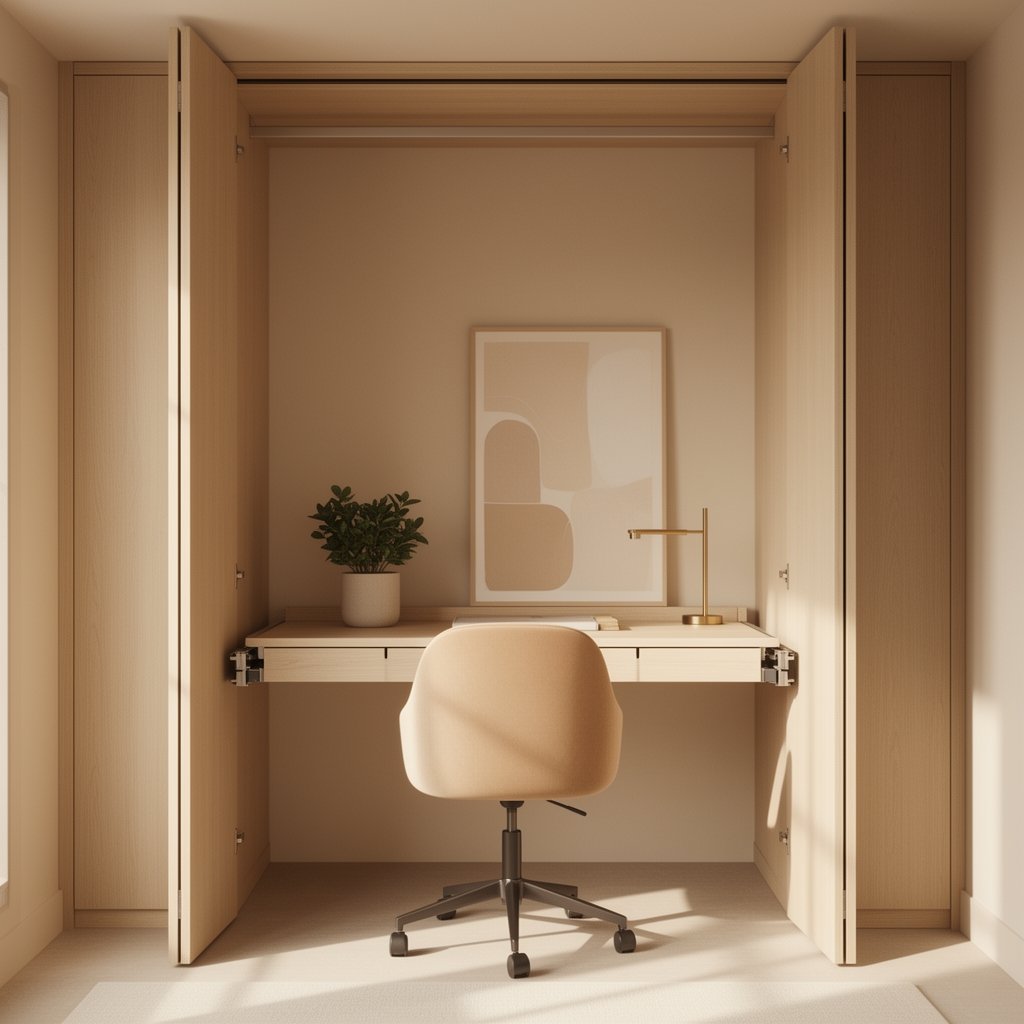
It is also common to underestimate the impact of clutter. Use bins, organizers, and vertical storage from the very beginning. If you truly want to maximize function, consider portable pieces like a set of compact C-shaped side tables that tuck in for extra elbow room or can serve as quick lunch trays in your work nook.
Conclusion
There is no longer any need to sacrifice valuable living space to set up a productive home office. Using the cloffice desk ideas mentioned above, you can turn almost any closet into an efficient, ergonomic, and pleasant workspace without investing a fortune. Focus on maximizing vertical storage, installing a right-sized floating or collapsible desk, and putting ergonomics first. If you want to learn even more about maximizing small spaces or finding the best compact furniture, explore our honest product reviews and design guides. Ready to make your cloffice a reality? Start small and upgrade as you go—your future self will thank you.
Frequently Asked Questions
How much does it cost to build a cloffice?
Most closet office conversions cost between $1000 and $1500 with professional help. DIY builds focusing on simple materials can often be completed for under $300 in supplies, as reported by multiple homeowners in recent years. See Nesting With Grace for a firsthand budget breakdown.
What are the best desk options for a closet office?
Wall-mounted floating desks, fold-down platforms, telescoping desktops, and slim cube organizers can all work well. Custom-cut plywood or MDF surfaces installed with wall brackets optimize space and stability, keeping the usable floor area under two square feet in most cases.
How do I keep my closet office from feeling cramped?
Choose light wall colors, add overhead or under-shelf LED lighting, keep clutter to a minimum, and use open shelving up to the ceiling. Streamlined furniture and multi-purpose pieces, like a stool with built-in storage, also help create a more spacious feel.
What if my closet gets too hot or stuffy?
Poor ventilation is a common problem for closet offices. Add a battery-powered fan, install a vent in the door, or prop the door open while you work. Avoid running high-heat electronics inside for long periods, and keep airflow moving whenever possible.
Can I use my cloffice for storage as well?
Absolutely. The trick is to use vertical space efficiently—wall shelves above desk height, modular cube systems, and under-desk rolling bins can store supplies, books, or even off-season clothes without cluttering your workspace.
“`