
Kitchen island with seating is not just a trend in urban open plan homes—it has become the secret weapon for families and entertainers who value flexibility, streamlined design, and practical space management. If you have ever wished your kitchen could adapt to your hosting needs or daily routines, the latest generation of portable, freestanding kitchen islands with seating may be the answer.
Key Takeaways
- Freestanding and moveable kitchen islands with seating now account for more than half of all new kitchen islands, offering unmatched flexibility and adaptability for urban and family homes.
- Careful attention to ergonomics, stability, and eco-friendly materials can resolve most common consumer complaints about portable kitchen islands.
- Technology integration—like USB charging and smart lighting—brings added convenience without sacrificing the sleek design or mobility of modern kitchen islands on wheels.
- The Growing Popularity of Kitchen Islands with Seating
- Step-by-Step Guide: Choosing and Using a Moveable Kitchen Island
- Advanced Analysis and Common Pitfalls
- Conclusion: The Future of Kitchen Islands
- Frequently Asked Questions
The Growing Popularity of Kitchen Islands with Seating
More homeowners are choosing a kitchen island with seating that is freestanding or mounted on wheels rather than fixed in place. This move is about more than taste—statistics show that in 2024, portable kitchen islands, including rolling and freestanding options, made up about 54 percent of the global market, valued at over USD 11.4 billion. The primary reason is flexibility: a portable kitchen island with seating can easily adapt to everything from meal prep to homework sessions, cocktail hour, and casual family dining. Homeowners in open plan apartments and houses love the freedom to move their island closer to the action or tuck it aside for more space during parties.
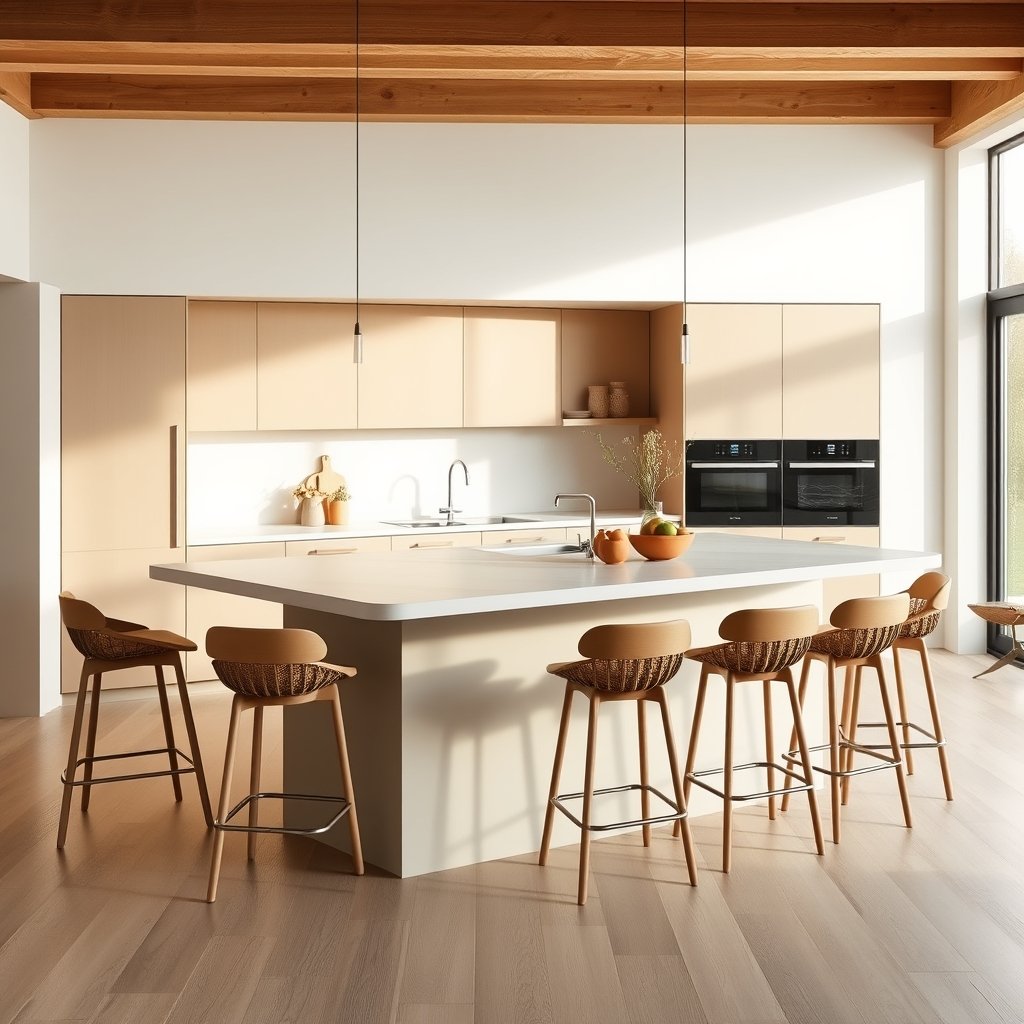
This surge in demand is driven by a new wave of designs that prioritize usability and comfort while complementing modern kitchens. Many contemporary models offer customizable seating arrangements and storages, security features like lockable wheels, and aesthetic elements that work with different decor styles. With analysts predicting a five percent compound annual growth rate for the category through 2032, this is no fleeting fad. The desire for adaptable work and dining spaces is reshaping the kitchen—just look at the way moveable kitchen islands let you instantly switch from extra prep area to an inviting breakfast bar.
If you are planning to update your kitchen, keep in mind that flexible kitchen islands come in many shapes and functions. Some double as wine bars, have pull-out butcher block tops, or feature hidden storage. You can even find models that work perfectly with built-in banquette seating in your dining nook, or pair seamlessly with C-shaped side tables like those in this review.
Step-by-Step Guide: Choosing and Using a Moveable Kitchen Island
Selecting the right kitchen island with seating for your urban or family home involves more than measuring your available space. Here’s a clear process you can follow:
- Assess your real needs. Ask yourself which purpose is most important—food prep, seating, storage, or a multi-use hub? For entertaining, prioritize wide counters and integrated kitchen island bar stools. For family life, look for deep drawers or shelves for storing appliances or snacks.
- Choose the best size and shape. Consider a rectangular island for narrow kitchens, or a rounded butcher block island on wheels for more open layouts.
- Check load capacity and stability. Portable units can sometimes wobble or struggle under heavy appliances. Look for kitchen islands with robust locking wheels and metal support frames.
- Review height and seating options. Ideal countertop heights for seated dining fall between 34 and 36 inches, and there should be enough overhang for knees. Choose adjustable bar stools or dining chairs as needed, like those featured in this dining chair review.
- Explore built-in tech and storage. Consider islands with built-in USB charging, power outlets, or wireless charging. These are increasingly common in newer models and offer true convenience, as shown in 2024 kitchen trend reports.
- Opt for sustainable materials. Choose kitchen islands with storage and seating made from certified wood, recycled metals, or low VOC finishes when possible.
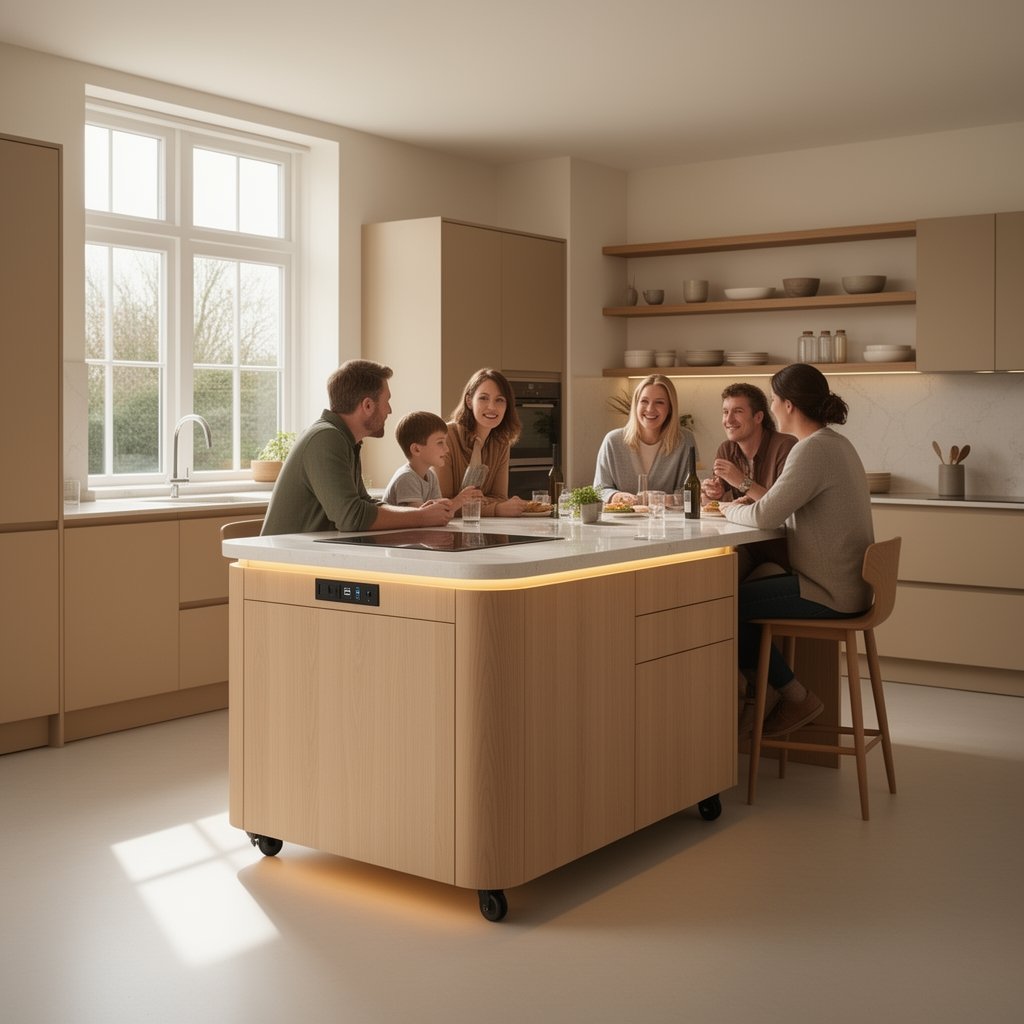
Installation is usually straightforward for freestanding islands. For rolling models, test the brake mechanisms and ensure enough clearance for moving and locking the island. For families who love to update their spaces with the seasons, rolling islands can be paired with flexible furniture like mobile room dividers or adjustable side tables to create pop-up dining or bar areas at home. For smart homes, islands with wireless charging pads can double as tech hubs, as outlined in the latest market research.
Advanced Analysis and Common Pitfalls
No solution is perfect. Before you commit to a kitchen island on wheels or a moveable design, be aware of several potential drawbacks identified by real users and market analysts:
| Issue | Description | How to Overcome |
|---|---|---|
| Stability | Wheels may wobble or not lock securely, especially on old or uneven floors. | Select models with double-locking industrial casters or add floor levelers. |
| Limited Load-Bearing | Most portable kitchen islands cannot support heavy stand-mixers or full sets of cookware. | Prioritize islands with reinforced metal frames and consult the weight rating before purchasing. |
| Ergonomic Flaws | Countertops that are too high or too low for comfortable seating cause discomfort during meals. | Aim for counter heights between 34 and 36 inches for typical kitchen island dining. Test with your bar stools beforehand. |
| Aesthetic Mismatch | Portable islands sometimes clash with fixed cabinetry or decor. | Choose transitional or minimalist island styles with customizable paneling or paint finishes for better blending. |
| Eco Impact | Cheap materials often mean higher emissions or short-lived furniture. | Seek out kitchen islands with sustainability certifications or recycled components. |
| Tech Overload | Too many built-in tech gadgets can make moving the island awkward or limit flexibility. | Focus on a few essential features like one USB port and LED strips, with wireless solutions over plug-ins. |
Another common mistake is not planning sufficient foot room or knee space, especially when pulling up vanity stools as extra seats. Also, many rolling islands come with butcher block tops—while visually appealing, these need regular oiling and can be susceptible to water marks or heat damage if not treated properly.
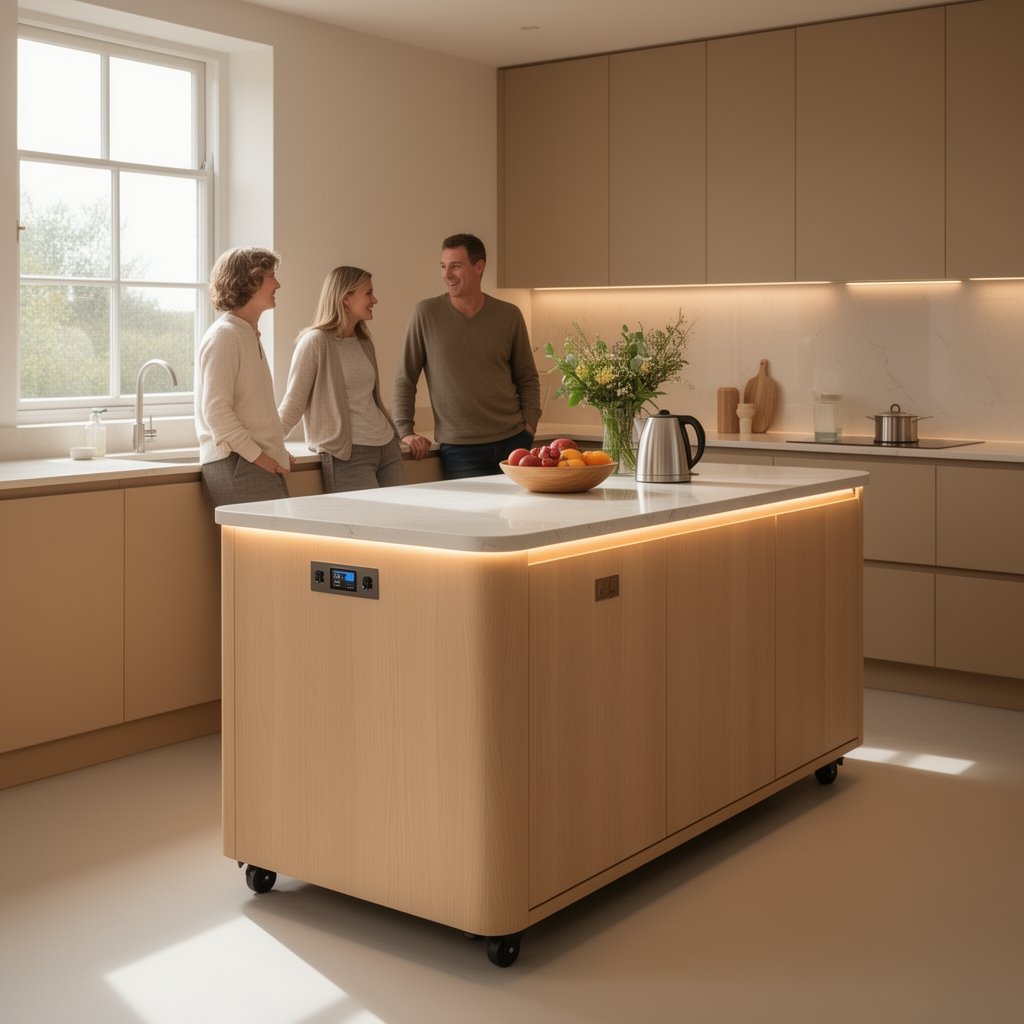
Storage integration is another overlooked detail. While you can get kitchen islands with storage and seating, check that the shelves or drawers do not interfere with legroom or the island’s ability to move freely. When choosing a dining banquette bench for storage alongside your island, ensure the two units complement each other in both height and access.
Conclusion: The Future of Kitchen Islands
Portable and moveable kitchen island designs are changing the way we think about home cooking, dining, and gathering. With smart use of space, attention to ergonomics, and the blend of technology and sustainability, today’s kitchen island with seating can transform your living space—especially in open-plan city homes and growing families. Look for rolling models that combine comfort, stability, and responsible materials to get the most practical long-term benefits. As market analysts note, the portable segment is expected to maintain double-digit growth, outpacing fixed units through the next decade. Whether you love the idea of a kitchen island on wheels, a multifunction butcher block, or a bespoke moveable kitchen island in your modern loft, now is the best time to invest. Ready to upgrade your kitchen? Start by measuring your space, clarifying your must-have features, and trying new configurations that fit your lifestyle.
Take action: Explore real product reviews for side tables, bar stools, and flexible furniture at HomeWiseReviews to create a kitchen you will actually use every day. Your dream island setup might be just a click away.
Frequently Asked Questions
Is a kitchen island with seating worth it in a small apartment?
Absolutely—moveable kitchen islands and compact butcher block models are especially practical for apartments. They can double as dining, prep, or work spaces and can be rolled away to free up room when needed.
How much weight can a portable kitchen island with seating hold?
Most quality islands on wheels can easily support 100 to 200 pounds on the surface. However, always check the manufacturer’s rating and opt for reinforced frames if you plan on placing heavy appliances.
Can I add fifth wheel casters or different seating to my rollable island?
Yes. Many models allow for wheel upgrades. You can also match your island with any standard kitchen island bar stools or dining chairs to complement your seating needs.
Are there eco-friendly moveable kitchen island options?
Yes. Look for certified woods, recycled metals, or sustainable finishes like those used in top eco-conscious brands. Sustainable choices are increasingly available as environmental awareness grows in the category.
What new technology features should I look for in a rolling kitchen island?
Smart lighting, integrated USB charging, modular power strips, and even wireless charging pads are now available on select modern rolling kitchen islands—ideal for homes that want technology with flexibility.