
workstation sink solutions have become a smart upgrade for anyone renovating a kitchen or planning a new island. Are they really as efficient, practical, and easy to live with as manufacturers claim? Here is what matters most—no fluff, just facts and buyer-ready advice.
Key Takeaways
- Workstation sinks are designed to maximize space and workflow, combining an integrated ledge with modular accessories—but real world fit, cleaning, and accessory usability are far from perfect.
- Accessory quality, ledge adjustability, and the ability for the sink to replace some island countertop space are crucial for satisfaction—yet most product pages gloss over these points.
- Before buying, demand details on material durability, cabinet fit, cleaning ease, support, and replacement parts—product upgrades and warranty specifics will matter long term.
- Why workstation sinks are a mainstream renovation choice in 2024
- How a workstation sink works — anatomy and accessory system explained
- Popular configurations & who should choose each
- Top models and brands to evaluate
- Real user frustrations and negative review themes
- Three critical gaps most product pages and reviews miss
- Installation and sizing pitfalls
- Cleaning, maintenance, and long term durability
- Decision checklist
- Quick model recommendations by use case
- Final buyer action plan and sample questions
- FAQ
Why workstation sinks are a mainstream renovation choice in 2024
Across the United States, Germany, Japan, and most urban markets, the workstation sink has become the default for homeowners who care about space and workflow. The latest market research estimates the multifunctional kitchen sink market at around USD 2.4 billion in 2023, growing steadily at about 4.3 percent yearly. Single basin workstation sinks are leading this trend, now representing almost half of total kitchen sink sales in 2024 (source).
More commercial settings and home renovators are ditching plain drop-in sinks in favor of a multifunctional kitchen sink with accessories that blend prep, cleaning, and drying into one zone. Urban and compact kitchens especially value this approach—it keeps the counters clear, speeds up daily routines, and can even replace some island workspace.
How a workstation sink works — anatomy and accessory system explained
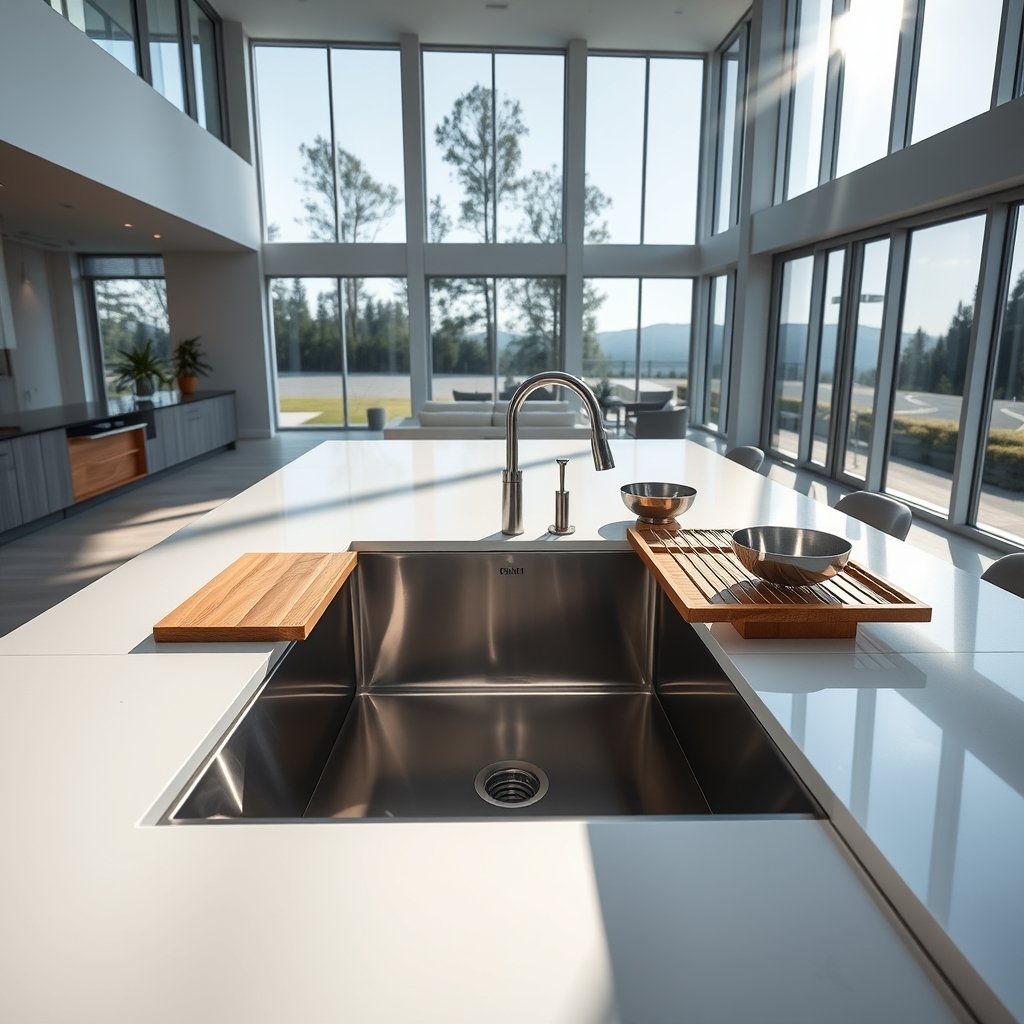
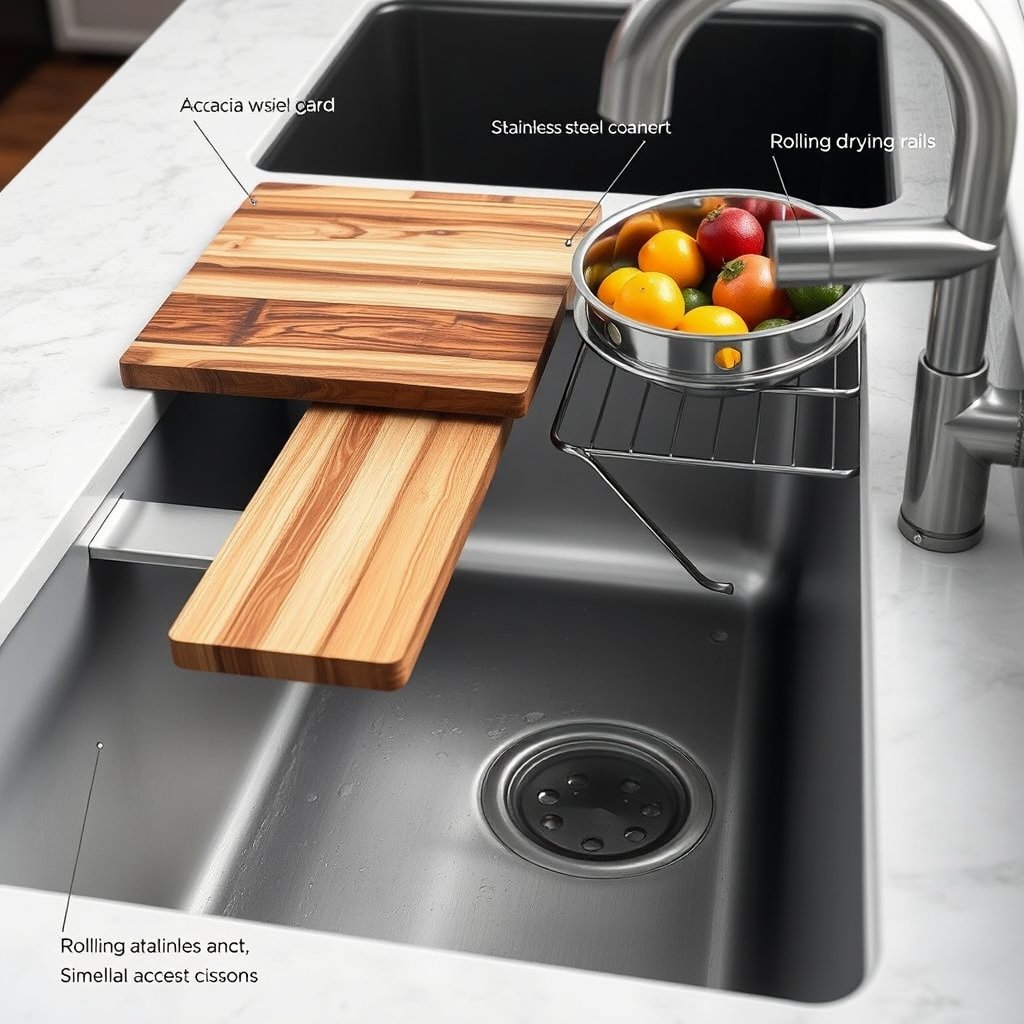
The main innovation behind the workstation sink is the built-in ledge system. Integrated rails along the wall of the sink let you slide accessories like cutting boards, prep bowls, colanders, and drying racks above the basin itself—turning your sink into an efficient mini workstation.
There are two main ledge types: single ledge (one continuous rail for all accessories) and multi level ledges (with two or even three positions, so multiple accessories can be stacked or operated together). The leading brands now add interchangeable prep bowls, deeper basins for large pans, and wide colanders that snap into place without wobbling.
Installation types matter too. An undermount workstation sink makes it easier to clean the counter and gives a seamless look, but needs heavier support—especially for long ledges and integrated racks. Drop-in sinks offer easier install and retrofitting, but can limit the stability and number of ledge positions, especially if you want your kitchen sink that replaces island space. For island setups, always confirm how much workspace you actually get back when all accessories are in play.
Top sellers focus on a modular accessory system, but the true test for renovators is how usable, easy to clean, and easy to swap these pieces are in real, daily kitchen life.
Popular configurations & who should choose each (single basin vs double / island vs undercounter)
If most of your kitchen activity revolves around prepping vegetables and washing big items, a single basin workstation sink is usually best. It offers a wide, unobstructed space for large pans and integrated accessories—plus single bowl designs now account for about 48 percent of revenue, especially in urban kitchens where every inch counts (source).
Double bowls are preferred by those who want to keep prep and cleaning strictly separated, but they can limit the fit and movement of sliding boards and racks—especially with accessories that tend to finish on one side.
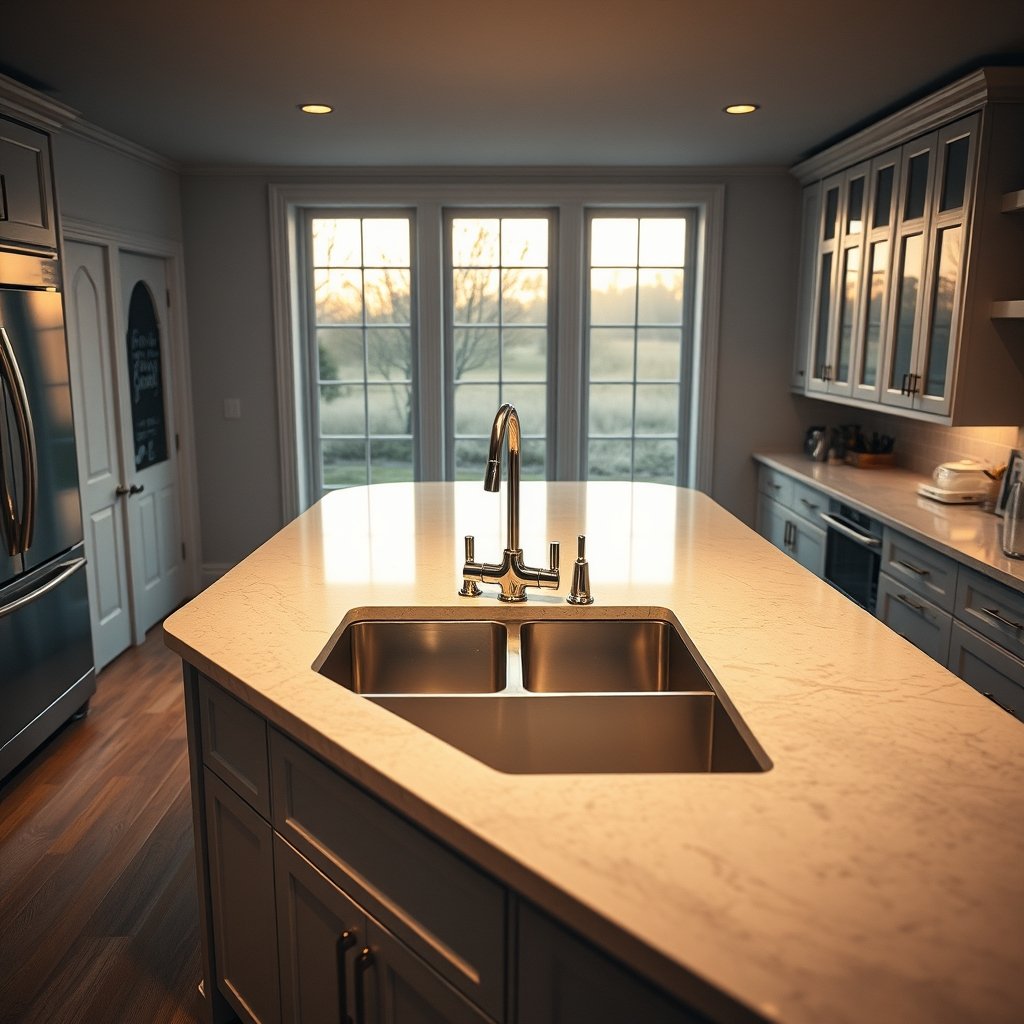
Island workstation sinks are trending among homeowners who want their kitchen sink that replaces island counter space completely. In new builds or major renos, this means going for the widest, deepest single bowl model, ideally undermount if cabinets can support it. Retrofits need careful cabinet measurement, as accessory placement in standard 30 to 33 inch cabinets can be limited.
Whatever you choose, prioritize models with flexible accessory systems and check interior cabinet storage—bulky rails and slides can eat into drawer and trash pullout space.
Top models and brands to evaluate (including Kohler Synthos) — what each gets right
Mainstream brands have reacted fast to market demand. Here is how current leaders stack up:
- Kohler Synthos sink: Deep, seamless look, modular ledge system, includes built-in cutting board, drying rack, and sink grid. Boards and bowls are sturdy but can be heavy, check showroom fit for comfort.
- Ruvati: Known for truly modular accessories, good fit and finish on rails. Cutting boards and colanders slide well but some users note excess weight and tricky accessory swaps.
- Elkay: Focuses on robust build and sound dampening. Accessory options are solid, but less variety in prep bowl types than others.
- Blanco: European style, offer multiple ledge levels and unique bowl inserts. Accessory fit is precise, but sometimes only available as high end upsells.
Most brands advertise a multifunctional kitchen sink with accessories, but real modularity varies. Some systems allow any accessory at any ledge level, while others only support certain tools in certain slots. If accessory placement flexibility is essential for you, test demo units or request explicit compatibility guides from suppliers (industry report).
Real user frustrations and negative review themes (what you’ll probably encounter)
Online reviews, user forums, and hands-on testers consistently report a pattern of small but stubborn problems:
- Accessories for workstation sink with colander or kitchen sink with built in cutting board often turn out heavier and bulkier than expected, making swaps awkward and straining wrists.
- Some ledges and rails are hard to reach or clean, leading to grime and water buildup in seams. If seams are rough, cleaning tools get stuck and bacteria can collect.
- Accessory fit issues—colanders or cutting boards may slide too loosely or get stuck. Fixed ledges restrict where racks and bowls can go inside standard cabinets.
- Drying racks and graters are sometimes so flimsy they flex or bend when loaded with wet dishes or vegetables.
- Water splashing outside deep basins can leave messes, especially if your faucet projects too far from the back wall or you have a short reach. For many owners, splash control is a daily headache.
These drawbacks rarely get covered in glossy product pages—make sure to check real-world reviews and demo the accessory system in person if you can.
Three critical gaps most product pages and reviews miss (and what you should demand)
After hundreds of user reviews and designer field notes, three major shortcomings appear in nearly all current workstation sinks on the market:
- Accessory ergonomics and quick-swap: Cutting boards and colanders are often heavier and bulkier than they look online. Demand lighter, ergonomic models with secure, easy-release locks. Test for wrist comfort with repeated swapping.
- Multi level true adjustability: Most sinks have only a single top-level slot, so accessories cannot be positioned at the depth that makes sense for you. Seek out multi-level ledge designs with at least two heights—ideally, you want a drying rack and prep surface to stack.
- Durable, easy-to-clean materials: Many workstation sinks come standard with hardwood boards and thin stainless racks, but cheaper boards warp or split, rough ledges encourage grime, and dish baskets corrode. Ask for composite or titanium boards, smooth joints, and test with a scrub brush for quick debris removal.
If you are considering a new undermount workstation sink, do not settle for fixed ledges or basic accessories—request a sample, or at minimum, a material spec and a demonstration video of the accessory swap process.
Installation & sizing pitfalls — what your contractor needs to know
You cannot assume any workstation sink will fit any cabinet. Standard US 30 to 33 inch sink base cabinets will constrain your ledge and accessory clearance. Measure interior width, depth, and drawer placement before purchase.
For undermount workstation sink installations, extra support is usually required due to the added weight of rails and full-size accessories. If you plan on a kitchen sink that replaces island counter, your contractor needs to anchor the sink and rails to reinforced bracing—you do not want wobbles or sagging over time.
Check the clearance from countertop to upper cabinet, and to internal drawers—large drying racks or colanders can collide with existing pullouts. Confirm if your preferred accessories can sit fully inside the bowl or only on top rails. Many product returns and call backs happen because accessory rails block drawer movement or take up too much internal space. Show your contractor warranty plans and request replacement capacity for ledges and mounts.
Cleaning, maintenance, and long term durability (what to test before buying)
Workstation sinks promise easy cleaning, but the reality is mixed. If ledges are rough or seams are wide, grime and food easily get trapped and are tough to reach. Accessories like the kitchen sink with built in cutting board or workstation sink with colander usually last about two years with daily use—unless you upgrade to composite or metal boards and dishwasher safe, corrosion-resistant racks.
Request the material spec for every accessory: hardwood boards wear fastest, composite or titanium last longest. Examine rail joints and shelf edges for smoothness; your cleaning brush should never get stuck. Ask about quick-release mechanisms for all accessories—being able to remove boards and racks for deep cleaning is essential.
Before purchase, read the fine print on warranty—especially for cutting boards, racks, and bowl inserts. Some manufacturers offer only limited coverage, despite high accessory wear complaints. A regular five minute clean around rails and under ledges, plus a monthly check of mounting brackets, will go a long way for long term satisfaction. Explore compatible cleaning accessories and drying racks like pull out under sink organizers to keep things uncluttered below deck.
Decision checklist — specs, questions to ask dealers/contractors, and feature priorities
Before you buy, create a prioritized shortlist:
- Ledge adjustability (multi level if possible, not just top rails)
- Quick release locks for all accessories
- Material specs—look for composite or titanium for boards, heavy gauge steel for racks
- Sink depth and width—will it fit cabinet and allow you to wash big cookware?
- Single vs double bowl (single dominates revenue but check your prep workflow)
- Accessory compatibility (can you add third party pieces over time?)
- Warranty and clear replacement part access
Single bowl workstation sinks are popular for a reason, but only if you demand real modularity and secure accessory locks. Avoid models with fixed ledges or limited adjustment, unless you want frustration.
| Main Feature | Why it Matters | Typical Problems if Ignored |
|---|---|---|
| Adjustable Ledges | Allows multiple accessories at custom heights | Accessories block each other or fall off if only top ledge exists |
| Quick Release Locks | Easy and safe swapping of heavy boards/colanders | Frustrating, clunky swaps cause finger pinching or spills |
| Material Quality | Better durability and cleaning | Warped boards, rusted racks within months |
| Depth and Cabinet Fit | Use largest pots and pans in one basin | Compatibility issues block drawer or garbage access |
Quick model recommendations by use case (prep heavy family cooking / small urban kitchen / entertainer with island)
- Prep heavy family cooking: Choose a deep, wide undermount workstation sink with dual or triple ledges. Look for robust, easy-swap cutting boards and colander. Kohler Synthos sink is a leader in this segment, but always test accessory ergonomics.
- Small urban kitchen: Go for a compact single basin workstation, ideally with sliding board and multi use colander. Shallow ledges and modular racks free up the most counter area. Ruvati and Blanco offer sleek smaller models.
- Entertainer with island: Prioritize an extra wide kitchen sink that replaces island counter space with integrated double ledge system. Add seamless drying racks and wide bowl inserts for large-batch prep. Skeptical? Try before buying—some models look bigger in pictures than real life.
Remember, major manufacturers are expanding options to match these workflows. If your family meal routine involves lots of prep, insist on modular accessories—even consider third party additions like a reversible cutting board set or compatible drying rack for buildable solutions over time.
Final buyer action plan & sample questions to include in your RFP/contract
To choose and install the right workstation sink, stick to these last steps:
- Measure base cabinet or island precisely end to end and top to bottom.
- Shortlist two or three models—compare ledge type, modularity, and accessory fit in person if possible.
- Test your most used tools or boards on the demo rails.
- Request detailed documentation: material specs, replacement part order process, warranty details for every accessory (not just the bowl).
- Ask contractor about additional under-mount support and if reinforcement is needed.
- Before signing, insist on accessory compatibility guarantees and written replacement options, since vendors update products quickly to meet new demand (industry market research).
Exact questions to ask vendors or contractors:
- What are the exact inside dimensions of every ledge and do my largest accessories fit?
- Are the cutting boards, racks, and bowls dishwasher safe and under what conditions?
- Is the ledge system multi-level and can I adjust accessory height independently?
- How do I order replacement boards or racks if one wears out—are third party accessories compatible?
- What is the warranty coverage period for integrated accessories versus the sink bowl?
- Can installation support the combined weight of the sink and all accessories when fully loaded?
If you want to maximize kitchen function, add compatible organizers below the sink, like this two-tier under sink organizer. If you are planning out small appliance or tool storage, see our guide to space-saving bakeware or compact cookware sets—these pair well with workstation kitchen layouts and help keep clutter off your new ledges.
FAQ
What is a workstation sink and how is it different from a regular sink?
A workstation sink includes built-in ledges that let you slide or snap in accessories like cutting boards, colanders, bowls, and drying racks right over the basin. This contrasts with regular sinks, which lack multitasking prep surfaces.
Are single basin workstation sinks really better for most users?
For most renovators and urban kitchens, yes. Single bowl workstations offer plenty of uninterrupted space for prep and cleaning, plus integrated accessories perform better without center dividers. However, some users prefer double bowls to keep tasks fully separated.
How can I make cleaning easier around ledges and rails?
Choose a sink with smooth, seamless ledges and minimal joints. Buy composite or titanium boards and opt for racks that are dishwasher safe. Regularly clean beneath ledges and remove all accessories for deep cleaning weekly.
What are the biggest installation mistakes with workstation sinks?
The main mistakes are not measuring the full interior cabinet width and height, not reinforcing the base for heavy sinks, and failing to ensure accessory rails do not block adjacent drawers or hidden pullouts.
Will I be able to get replacement cutting boards and racks years later?
Replacement part availability varies by brand. Some provide easy online ordering, while others do not guarantee long term accessory support. Always ask about this and consider buying an extra board or rack up front.
—