
“`html
cloffice closet office ideas have gained massive popularity as the smartest way to turn an unused closet into a compact and efficient home office—no need for a costly remodel or lost bedroom space. With remote work now the standard, homeowners and renters everywhere face the same dilemma: how to carve out a fully functional workspace without sacrificing their square footage or home’s style. Cloffices offer a surprisingly flexible answer, but getting it right takes good planning and a bit of vision.
Key Takeaways
- Cloffice conversions can range from $200 simple DIY setups to $6000 plus for pro-designed spaces, but most homeowners succeed under $1000 with smart hacks.
- Main challenges include limited space, poor lighting, and awkward ergonomics—but these can be solved with creative design and a few affordable upgrades.
- There are innovative features like fold-away standing desks, embedded smart home tech, and flexible storage tricks that take small spaces from cramped to inspiring.
- Understanding the Cloffice Concept
- Step-by-Step Guide: How to Transform Your Closet into an Office
- Advanced Analysis and Common Pitfalls
- Conclusion and Next Steps
- FAQ
Understanding the Cloffice Concept
The cloffice—a portmanteau of closet and office—has emerged as an affordable and accessible answer for those seeking home office space in tight quarters. Instead of building a costly extension or giving up another room, you can adapt an underutilized closet into a focused work zone. As this explainer on Yelp details, the popularity of cloffices stems from their ability to provide a discrete workspace right within your living environment, ideal for city dwellers, renters, or anyone who values privacy yet cannot spare a full room.
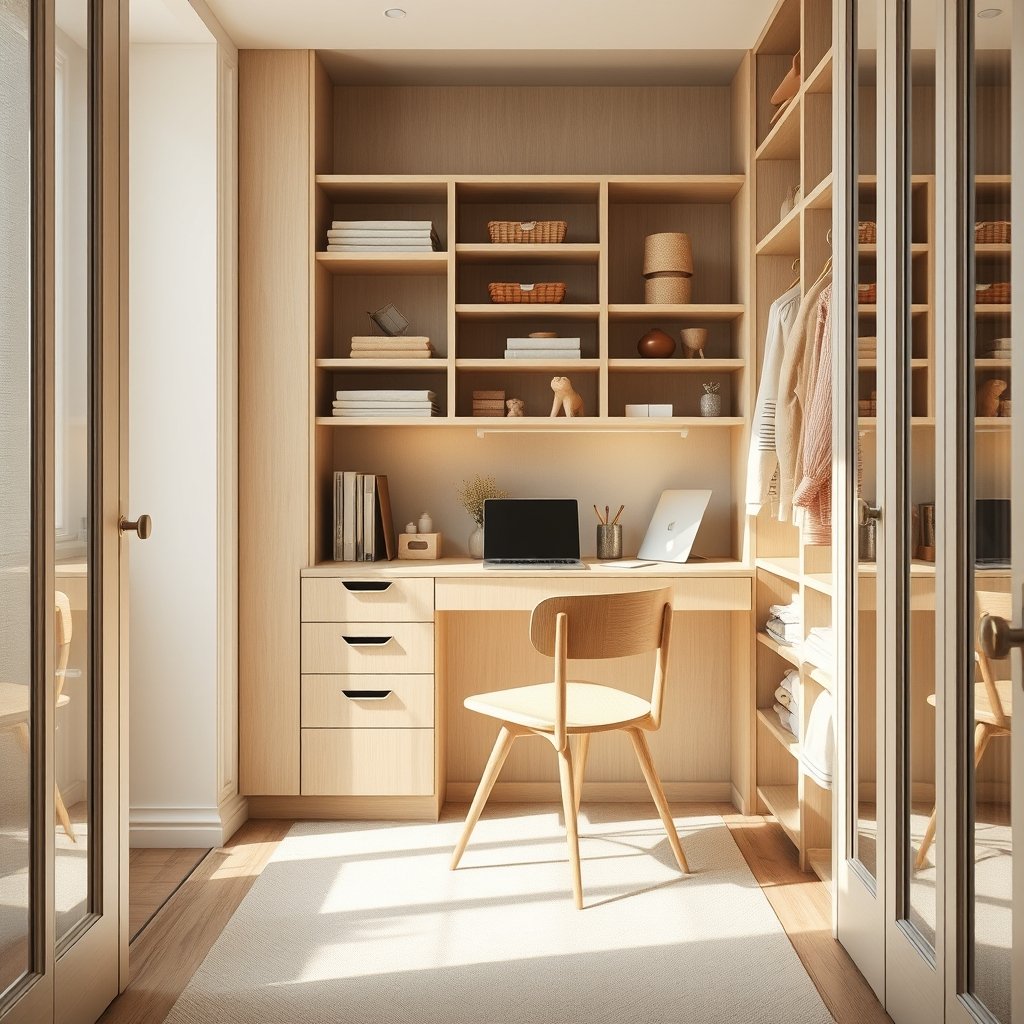
You do not need a walk-in or grand wardrobe—a small closet converted to office use can create a surprisingly productive nook. With remote work now more widespread, demand for these tiny yet mighty offices has exploded. Homeowners appreciate that cloffices do not require structural changes or disrupt the function of other living spaces.
Cloffice closet office ideas range from a basic shelf for a laptop to custom wardrobe office hideaways with lighting, storage, and even standing desk units. This flexibility makes cloffices one of the most versatile solutions for anyone working from home in a small space.
For more inspiration on maximizing tight spaces, see these built in wardrobe bedroom ideas and expert built-in banquette seating tips.
Step-by-Step Guide: How to Transform Your Closet into an Office
Turning a closet into a functional office requires some thoughtful planning. Use these steps and insights to ensure your closet home office conversion goes smoothly, whether you are doing it yourself or hiring pros.
- Assess the closet. Clean out the closet and inspect for challenges such as uneven walls, awkward wiring, or limited depth. Reach-in closets as narrow as three feet wide can work for a desk and some shelving.
- Choose your desk solution. Start with a simple desktop that fits the width—an off-the-shelf floating shelf, IKEA hack, or a custom cut piece as budget allows. A built-in closet desk saves precious legroom compared to a freestanding desk.
- Add storage and organization. Use adjustable shelving above the desk, side cubbies, and, where possible, slim modular systems to keep essential items within arm’s reach. Consider under-desk storage bins or shallow drawers for office supplies. Products like modular cube storage shelving can help streamline small office nooks.
- Install effective lighting. Most closets lack natural or sufficient artificial light. Install LED Desk Lamp with USB Charging, slim puck lights, or a mounted lamp. Plug-in options are safe for renters. Add a dimmer or color temperature switch for comfort. If possible, run a new outlet for task lighting and device charging, like those available with a side table with charging station.
- Select ergonomic furniture. Prioritize an office chair that fits the space and supports good posture. If depth is tight, consider backless stools, flexible seats, or a plush ottoman, like the practical Greenstell vanity stool with storage. Some swap the chair for a mini standing-desk converter.
- Personalize your workspace. Brighten and visually expand your cloffice with white paint, mirrors, or peel-and-stick wallpaper. Hang art, pin a small vision board, or display a plant to make the nook inviting. For added comfort, anchor the floor with a soft rug or mat.
- Hide cords and maintain tidiness. Use cable management trays, adhesive cord clips, or a concealed track behind beadboard to reduce clutter and enhance the appearance of your workspace.
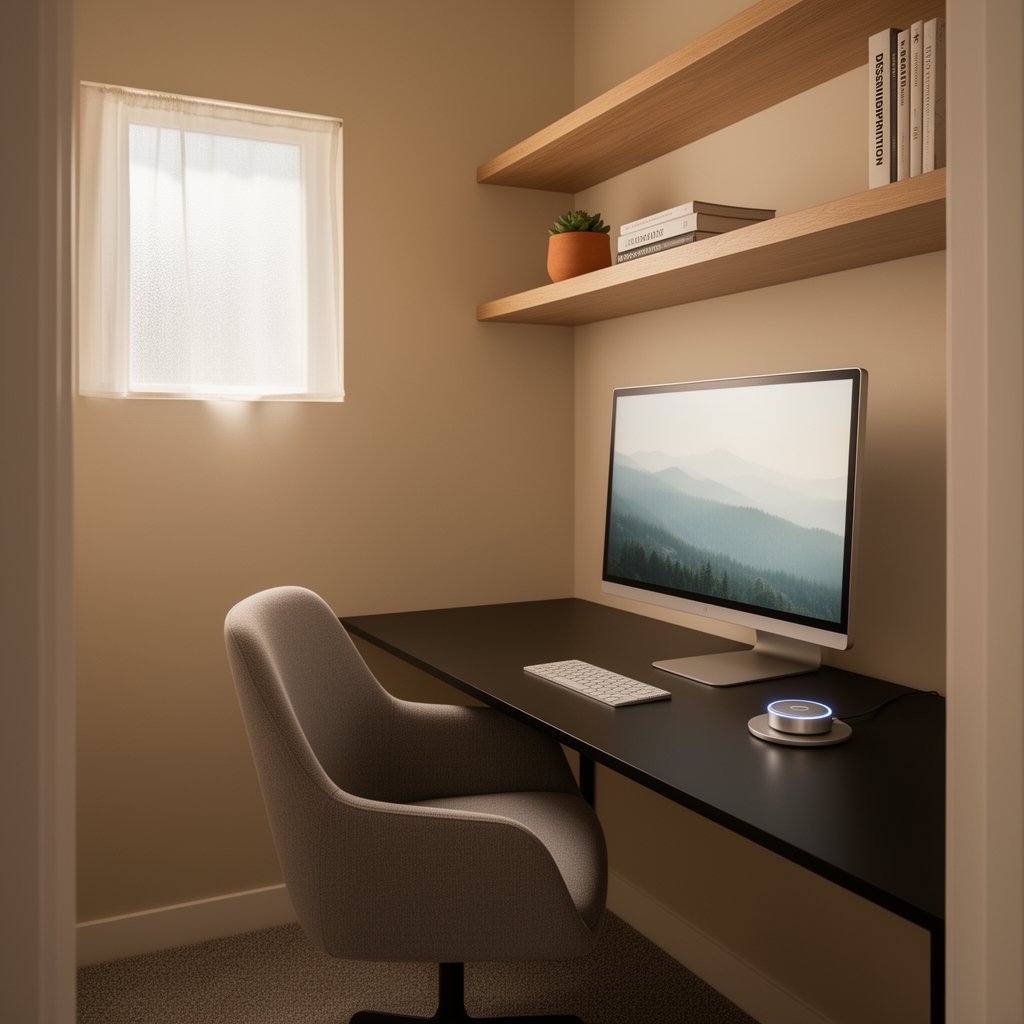
A budget-friendly closet home office conversion might cost under $1000 if you tackle it yourself, as seen in this hands-on case study. If you incorporate custom finishes—like wardrobe office hideaways, advanced lighting, or custom built-ins—costs can rise to $6000 or more (see the HomeAdvisor cost breakdown). Still, that is well below the $15000 typical for a full-size home office remodel.
Explore cloffice desk ideas for design layouts, and see how a fold down wall desk adds even more flexibility to a compact nook.
Advanced Analysis and Common Pitfalls
Even the most exciting cloffice closet office ideas can go sideways without a solid plan. Here are the most common mistakes and how to avoid them:
| Challenge | Symptoms | How to Fix |
|---|---|---|
| Limited square footage | No legroom, cramped wrists, awkward monitor height | Opt for a shallow built-in desk, remove closet doors, float the monitor on a wall bracket, or use a pullout tray |
| Poor lighting and lack of outlets | Eye strain, dim work area, exposed wires | Install LED strips, battery lights, run a new power strip, or use multifunction outlets/USB ports |
| No storage or organization | Surface clutter, hard-to-reach supplies | Add vertical shelving, wall-mounted cups, magnetic organizers, or cube storage |
| Claustrophobic feel | Overwhelmed, uninspired, unproductive | Paint with soothing or bright colors, use mirrors, hang art, keep open space above the desk, add a small task lamp with color controls |
| Access conflicts | Cannot open or close doors, workspace blocks storage, gets in the way of bedroom use | Install sliding, bifold, or curtain doors; use mobile or foldaway furniture to quickly reclaim closet use |
Statistics show the most frequent obstacles for small closet office setups are tight square footage, poor lighting, insufficient outlets, ergonomic discomfort, and an enclosed atmosphere (see this detailed guide). Owners solve these hurdles with LED strip or recessed lighting, new outlets or power strips, adjustable shelving, two-tier clothing rods, smart layout tweaks, and bold use of light-colored finishes or mirrors for a brighter feel.
If you want to keep your cloffice stylish and in harmony with your rooms, upgrade with design-forward lighting, a textured rug, or a side table for small spaces. Hide mess with pullout drawers or modular cubes, and manage work clutter using stackable trays in closets with limited width. To keep the workspace feeling open, try a room divider curtain rod that is easy to move or fold away.
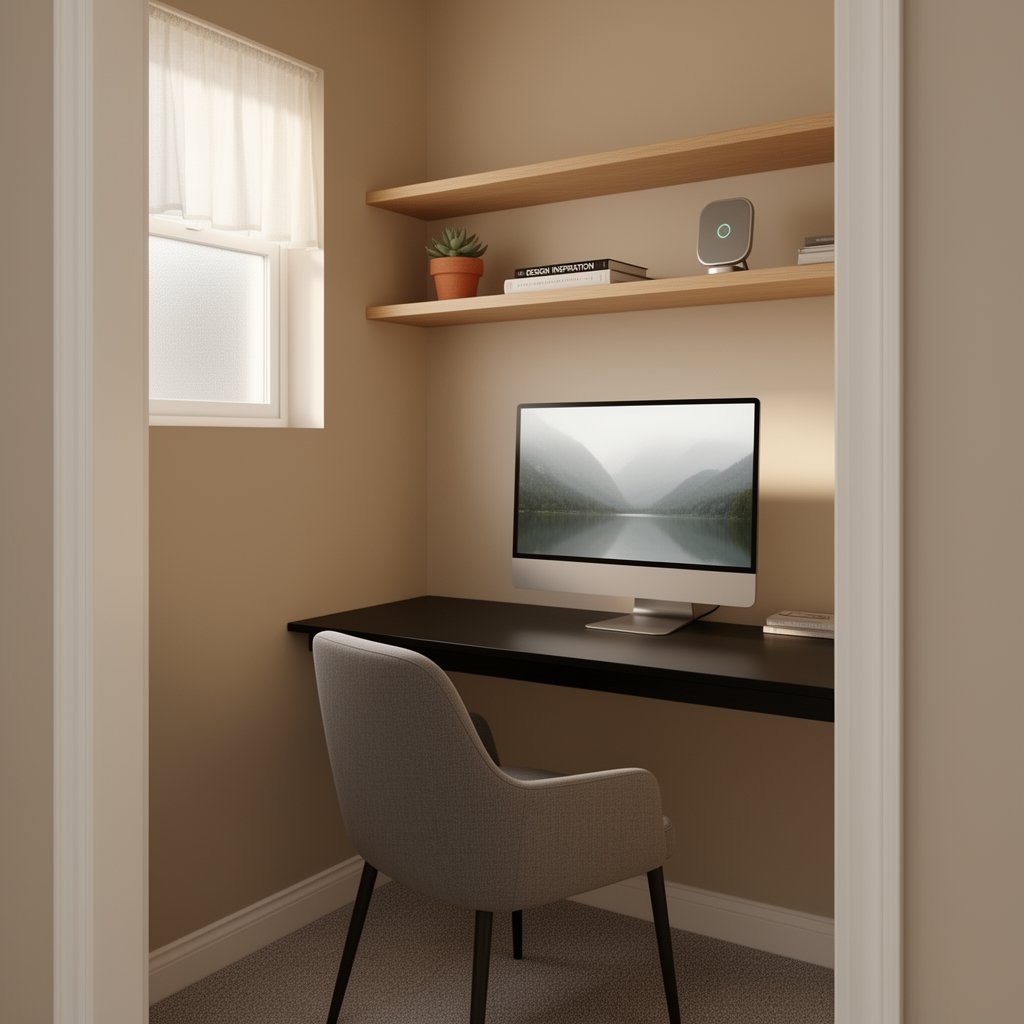
For small homes, a closet office nook can be further elevated with mini standing desk modules or fold-down features, wireless charging pads, or even acoustic foam for soundproofing. For more hidden office solutions, explore the Murphy bed with desk strategies for multi-use rooms.
Conclusion and Next Steps
With a well executed plan, cloffice closet office ideas allow you to reclaim forgotten square footage and create a personalized workstation with minimal disruption to your home. Whether your goal is a simple closet desk WFH nook or a high-end wardrobe office hideaway, the most successful projects balance creativity with realistic awareness of each space’s challenges and opportunities.
Ready to get more out of your own small closet? Start dreaming, draft your layout, and gather your inspiration from these cloffice desk ideas. Remember, the best cloffice closet office ideas are the ones that fit your needs and your home—so do not be afraid to experiment, adapt, and personalize your nook. Take a look at featured products and guides on HomeWiseReviews for more ways to maximize small spaces.
FAQ
How much does a cloffice closet office conversion typically cost?
A complete DIY cloffice can cost as little as $200 using basic materials and plug in lighting. Professionally designed or custom closet offices with built-ins and higher end finishes can range from $2000 to more than $6000, but most people spend less than $1000 by repurposing existing components.
Do I have to remove the closet doors?
No, but many homeowners find removing doors (especially bifold types) makes the workspace more accessible and less claustrophobic. You can also replace them with a curtain or sliding panel for more flexibility.
What lighting is best for a closet office?
Bright LED strip lighting, puck lights, or clamp lamps work well for these spaces. Consider color adjustable or dimmable LEDs for comfort. If you cannot add a new hardwired fixture, opt for plug in or even battery powered options.
What size desk fits in a small closet?
Many reach in closets can accommodate a desktop of 36 to 48 inches wide and 18 to 24 inches deep. Customize the desk to extend wall to wall for maximum surface area while leaving enough room to sit comfortably.
Can a cloffice really feel comfortable for long work sessions?
Yes, with smart ergonomics and lighting. Invest in a quality supportive chair or stool, keep your work surface at the right height, and use an external monitor mounted on the wall if possible. Add personal touches to uplift the space’s mood.
“`