
“`html
### Blog Post:
Ergonomic home office chair selection is not just about trendy looks or budget price tags—it is about protecting your back and making your remote workday healthier. A well-chosen chair can be the difference between recurring discomfort and pain-free productivity.
Key Takeaways
- An ergonomic home office chair with real adjustability and quality lumbar support can greatly reduce back pain and posture strain—even on a budget.
- Most chairs under $500 skimp on dynamic support and adjustability, so it is crucial to focus your search on these features, not just appearances or price.
- Testing before buying, as well as understanding what features are missing in many popular models, will help you avoid common pitfalls.
- Importance of Ergonomic Design
- Step-by-Step Guide: Choosing the Right Ergonomic Chair
- Advanced Analysis and Common Pitfalls
- Conclusion
- FAQ
Importance of Ergonomic Design
When you sit for six, eight, or more hours every workday, the design of your home office chair for back pain is far more than a comfort issue. A true ergonomic home office chair supports the natural curve of your spine, helps distribute weight, and minimizes stress on your lower back and shoulders during long hours of work. Systematic reviews consistently show that chairs meeting ergonomic requirements reduce the severity, intensity, and frequency of muscular strain (UPLIFT Desk). In other words, investing time in choosing the right chair can help you prevent everyday aches and even chronic back pain.
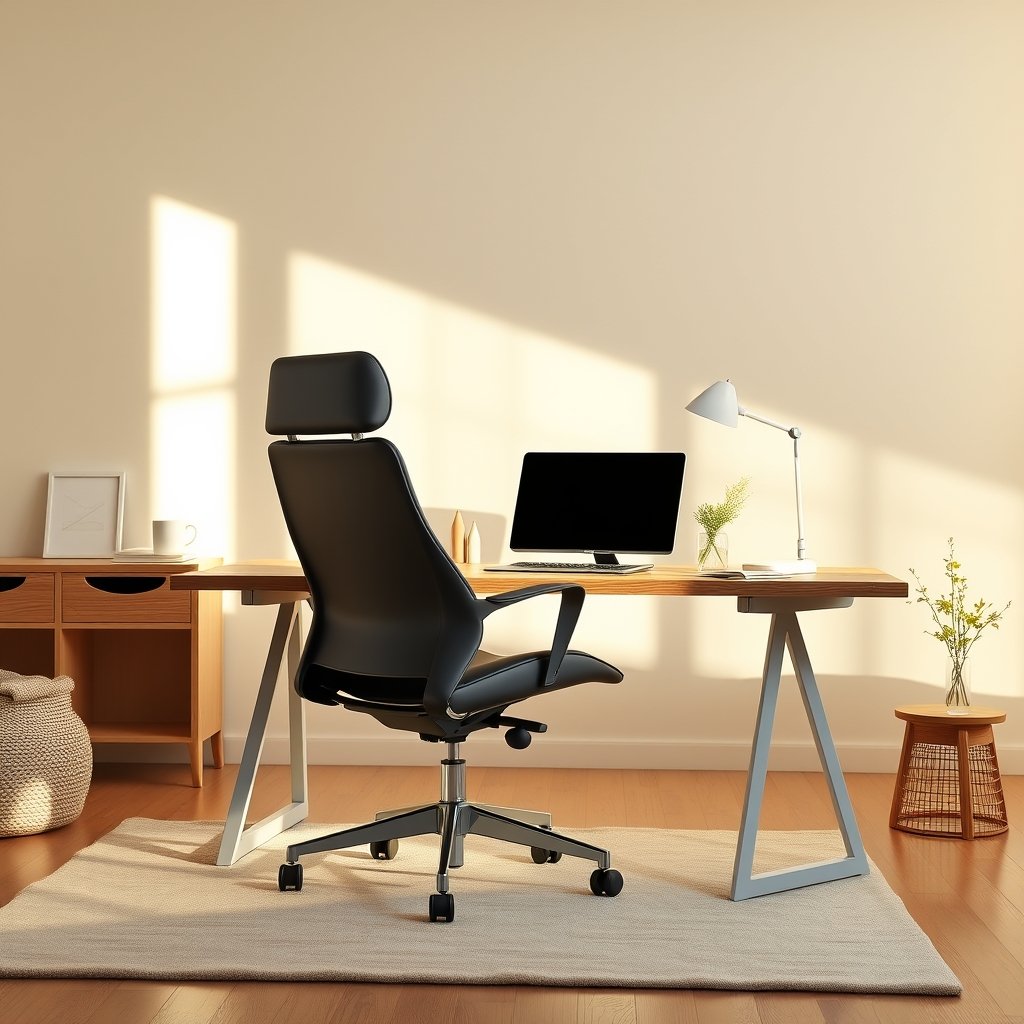
For remote workers, long uninterrupted periods at a desk can worsen slumping posture and muscle fatigue. An ergonomic home office chair works actively to support you, not just when you sit upright but also when you lean, reach, or shift your position throughout the day. Prioritizing a chair with excellent lumbar and pelvic support is particularly important if you already notice discomfort after every shift.
Step-by-Step Guide: Choosing the Right Ergonomic Chair
Follow these actionable steps to choose an ergonomic chair for long hours that truly supports your well-being—not just your style preferences or wallet.
- Check for Comprehensive Adjustability
Your chair should allow independent adjustment of seat height, seat depth, recline tilt tension, and especially armrests (multi-directional). Look for an adjustable lumbar chair where the lumbar pad moves up and down a minimum of three inches.
This maximizes fit for different body types and lets you maintain proper posture as you adjust other parts of your workstation, like an L-shaped standing desk. - Demand Quality Lumbar Support
Strong and tunable lumbar support is essential. Many chairs only have a basic pad that looks nice but is fixed in place or too soft. Aim for a model where you can change the height and firmness to align with your unique spinal curve. This will help avoid the most common causes of lower back pain.
Consider reading experiences with affordable but effective models like the BestOffice high-back gaming chair which offers real lumbar support features. - Choose Breathable and Supportive Materials
Opt for high-density foam and breathable mesh rather than overstuffed fabric or leather that traps heat. This is vital for long hours, especially in smaller or unventilated home offices. Reviewers often say padded leather seats get warm and sticky after a few hours (WIRED). - Ignore Hype and Ignore Looks
Many of the “top ranked” chairs are lauded for executive appearance—big cushions, racing lines, or upscale finishes—but fall short on day-to-day support and durability. Instead, look for actual biomechanical reviews and well-established brands with a track record in long-term comfort. - Try Before You Buy—Or Use a Strong Return Policy
If available, visit a local retailer to sit in different models. Notice how the lumbar area feels after five minutes, not just on first contact. If you buy online, only purchase from vendors that offer a no-questions-asked free return or long trial period. Durability past week one makes all the difference.
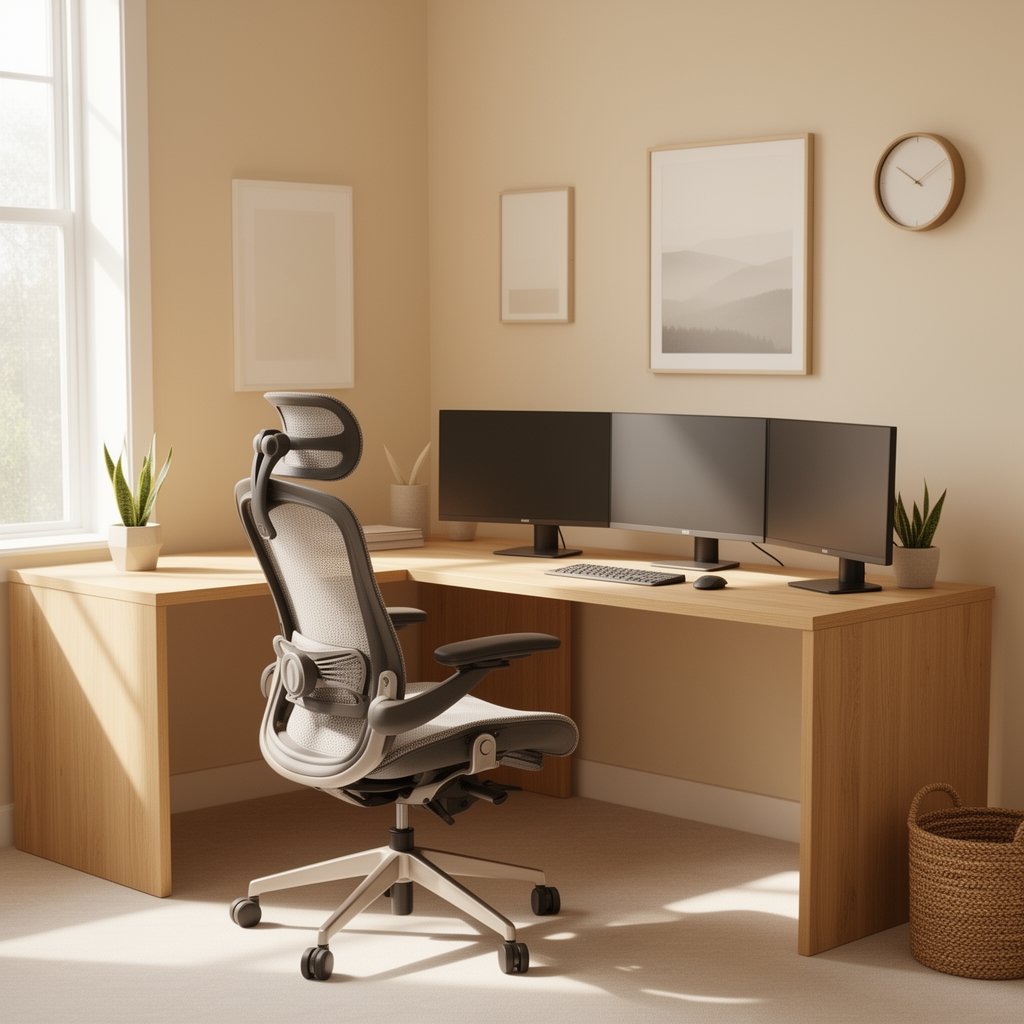
Internal features like adjustable armrests and sliding seat pans often go overlooked but can matter just as much for sustained comfort. Paired with proper workstation setup—a monitor at eye level, a footrest, and an adequate bookcase with doors for storage—your chair becomes the foundation of a sustainable home office.
Learn to spot chairs that may look premium but are missing these core features. For reference, models like the TRALT ergonomic office chair have the right mix of adjustability and support without breaking the $500 limit.
Advanced Analysis and Common Pitfalls
No matter how compelling the marketing is, budget chairs come with their own set of consistent problems. Understanding these before you make your choice is essential to set realistic expectations and avoid wasting money:
| Feature | Ideal Scenario | Common Issue on Under $500 Chair | Impact |
|---|---|---|---|
| Lumbar Support Adjustment | Height and firmness adjustment, dynamic fit | Fixed position or soft unsupportive pad | Poor lower back support, increased strain during long hours |
| Armrest Adjustability | 3D or 4D movement in height, width, depth, and angle | Armrests only move up and down or wiggle | Strained shoulders and wrists, poor desk integration |
| Seat Material Quality | High-density foam and breathable mesh | Hot, padded, or thin seat foam breaks down quickly | Sweating, pressure points, need to replace within a year |
| Trial and Return Policies | Free and flexible, 30-day or more | Short, restrictive or no returns | Stuck with a poor fit, wasted funds |
According to FlexiSpot, buyers most often prioritize three essentials: adjustability, lumbar tunability, and comfort materials. Yet the most frequent complaints about an ergonomic desk chair under $500 are fixed lumbar pads, limited armrest and recline options, seats that trap too much heat, or chairs that wobble and wear out early. Even reputable review roundups sometimes miss these daily pain points and focus mostly on how modern or plush a chair appears.
Another recurring issue is overemphasis on upper back and ignoring sacrum or coccyx support. True best ergonomic chair for home office picks integrate lumbar systems that dynamically adapt as you move during the day. Articles that skip this discussion leave users to guess—often until back pain returns a few weeks after purchase.
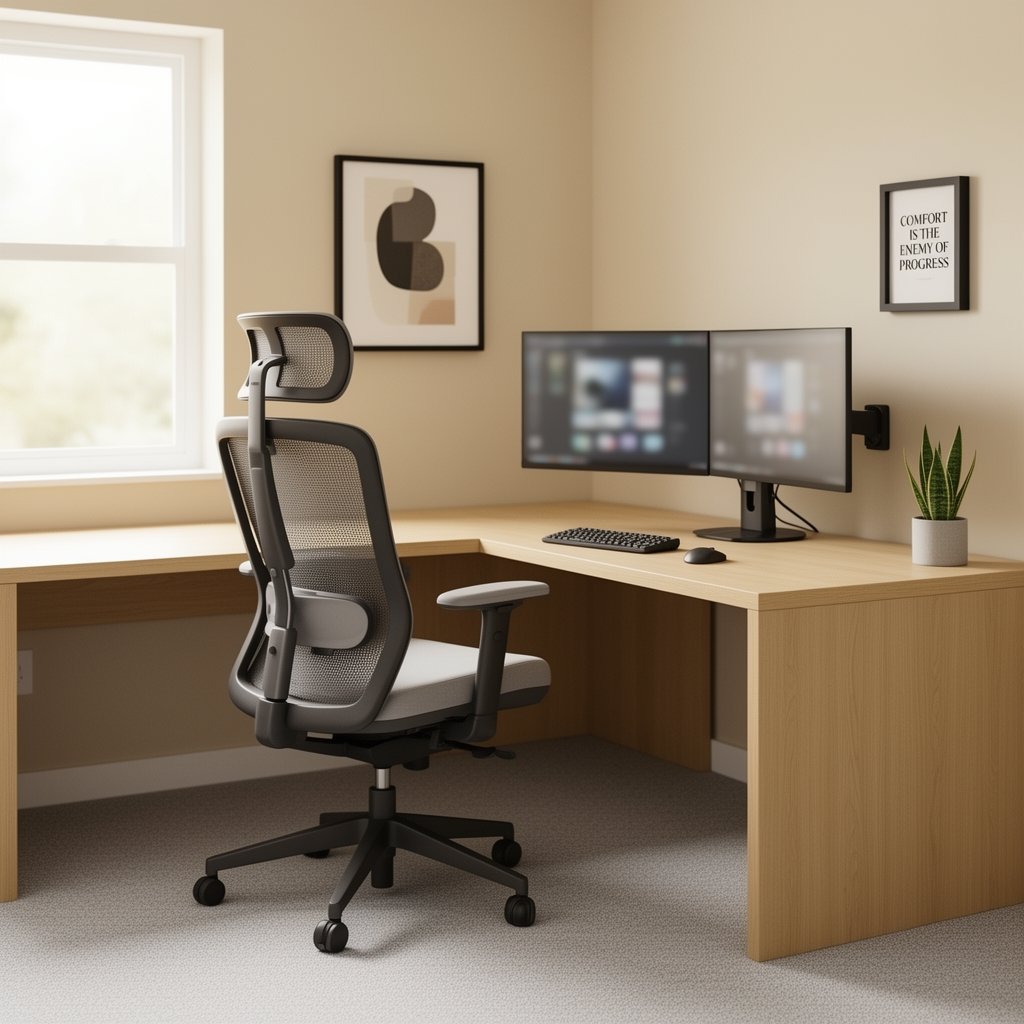
Finally, workstation integration is often overlooked. Your chair is only as ergonomic as your full setup. Think about pairing your chair with smart furniture, such as a lift-top table for flexible work or a cloffice setup if space is tight.
Conclusion
The perfect ergonomic home office chair balances features, not just cost or design. Focus on comprehensive adjustability, strong and customizable lumbar support, and breathable and supportive materials. Avoid rushing into choices based on looks or generic “best of” lists. Remember that your comfort—and your back’s long-term well-being—will directly reflect the time you invest in testing and vetting your chair. Do not forget to look for internal features and pair your chair with smart workspace basics like a sofa bed for studio versatility or a handy side table with charging station.
The right ergonomic home office chair changes everything about your workday. Shop carefully, test smartly, and put your health and productivity first. Ready to upgrade? Start comparing chairs today and give your back the support it deserves.
FAQ
What makes a chair truly ergonomic?
A truly ergonomic chair offers multiple independent adjustments in seat height, depth, armrests, and especially lumbar support. It must fit your unique shape, allow easy changes as you move, and support your back’s natural curve all day.
Can I find good ergonomic chairs under $500?
Yes, but you need to focus on finding models with real adjustability and proven lumbar support rather than just executive looks or thick cushions. Some affordable chairs, like the BestOffice and TRALT models, perform well if you review the features closely.
How do I test for good lumbar support?
Sit fully back in the chair. Slide or adjust the lumbar pad so it fits snugly in your lower back curve. If your back feels well-supported with upright and reclining postures—and you feel no pressure points or slumping—it is a good fit. Testing for at least five minutes is key.
Are mesh or cushioned seats better for long sitting?
Mesh is usually better for breathability and keeping you cool during long hours, but high-density foam with a supportive structure can also work. Avoid soft, sinking cushions or low-density foam that compresses and traps heat.
Should I worry about warranty and returns on budget chairs?
Absolutely. Many budget chairs have short or awkward return policies. Prioritize brands that offer at least 30-day returns, and check that warranty covers common issues like wobbling or broken adjustments.
“`